Hi friends 👋
Welcome to a new Week in Product!
🎰 The week in figures
$1T: Tesla shareholders approve $1T Musk pay package. The package ties Musk’s payout to aggressive milestones: raising Tesla’s market cap from $1.5T to $8.5T, deploying 1M robotaxis, and selling 1M humanoid robots over the next decade
$350B: Google discussed deepening its investment in Anthropic, potentially valuing it above $350B after Anthropic’s models outperformed rivals in key benchmarks
$38B: OpenAI announced a $38B deal with AWS, adding Amazon to its growing roster of cloud partners (Microsoft, Google, Oracle, CoreWeave). That brings OpenAI’s total compute commitments to a mind-melting $1.4T over the next few years
$16B: Internal Meta docs show ~$16B (10% of 2024 Meta revenue) from scam/fraud ads
$3.8B: Anthropic predicts that its API business will generate twice as much revenue as OpenAI’s, with revenues of $3.8B this year vs $1.8B for OpenAI
$1B: Apple entered a $1B annual deal with Google for Gemini AI to enhance Siri using the Gemini AI model with 1.2 trillion parameters via Private Cloud Compute. Siri may also incorporate ChatGPT for tasks
$500M: Ripple raised $500M to expand its digital asset platform and stablecoin initiatives, at a $40B valuation
$435M: Armis, a cybersecurity player in asset visibility, took $435M on a pre-IPO round, lifting valuation to $6.1B after turning down M&A bids.
$200M: Synchron, the Neuralink competitor, raised $200M. The company is also working toward “digital telepathy” brain implants to allow humans to interact with computer systems using only the power of their minds. But unlike the famed Elon Musk venture, Synchron’s implants are inserted through your blood vessels, eliminating the need for costly and invasive surgical procedures
1M: OpenAI hit 1M business customers (fastest-growing business platform in history). Also hit 7M+ seats in business plans, up 40% in 2 months
💵 Q3 earnings
Shopify: posted its strongest quarter since 2021 with 32% revenue and GMV growth, 18% free cash flow margin, and Shopify Payments at 65% GMV. Management guided Q4 growth to the mid–high 20s%, highlighted rapid adoption of Sidekick and agentic commerce integrations (ChatGPT, Copilot), and strong international momentum
Uber: revenue $13.5B (+20% YoY), gross bookings $49.74B (+21%), adjusted EBITDA $2.30B (margin 4.5%); segments—Mobility margin 8.1%, Delivery grocery/essentials $12B annualized and ads run‑rate ~$1.5B, Freight revenue ~$1.31B with $20M loss
📰 What’s going on
Apple plans a sub-$1,000 MacBook with iPhone A-series chips for mid-2026, aiming to compete with Chromebooks and budget Windows laptops
Apple launched a web-based App Store for browsing apps across devices
Meta introduces a dedicated WhatsApp app for Apple Watch Series 4 and later, enabling users to read, write, and send messages. With full message display and voice messaging, it enhances wearable messaging
Microsoft research built a synthetic marketplace to test AI agents, revealing how even advanced models like GPT-4o struggle with basic real-world tasks and get easily manipulated
Microsoft has created a MAI Superintelligence Team to develop AI systems that outperform humans in specific fields, beginning with diagnostics. Led by AI chief Mustafa Suleyman, the initiative aims to build “humanist superintelligence” that serves defined human interests rather than pursuing fully autonomous general AI
Perplexity has secured a multi-year deal with Getty Images to incorporate their images in its AI tools. This move aims to address past content issues by ensuring proper attribution and enhancing ux, respecting IP
Perplexity AI is being sued by Amazon demanding that the startup block its AI agent on the Comet browser from shopping on Amazon’s platform on users’ behalf
Amazon integrated Alexa+ AI assistant into its Music app, enhancing discovery and increasing user engagement
Amazon releases AI translation for self-published Kindle books. The beta feature can translate between English and Spanish and from German to English
NotebookLM got yet another update: now you can create flashcards to memorize key terms from your uploaded documents, generate quizzes to test yourself, and temporarily toggle sources on/off so your AI assistant only references the specific files you want for each task
Google’s Deep Research can now include files from your Google Drive. When you’re performing a Deep Research, you’ll get the option to upload source materials from a Google Drive including Docs, Slides, Sheets and PDFs. This can then be mixed with real-time data from the web
Google’s AI Mode in Search is getting a brand new set of agentic capabilities that will perform actions on behalf of users, like making a dinner reservation that meets a user’s preferences, or booking concert tickets. AI Mode will find real-time availability for restaurants and then present you with a list of restaurants that include reservation slots. Google is currently working with partners, including OpenTable, Resy, Tock, Ticketmaster, Stubhub, and others
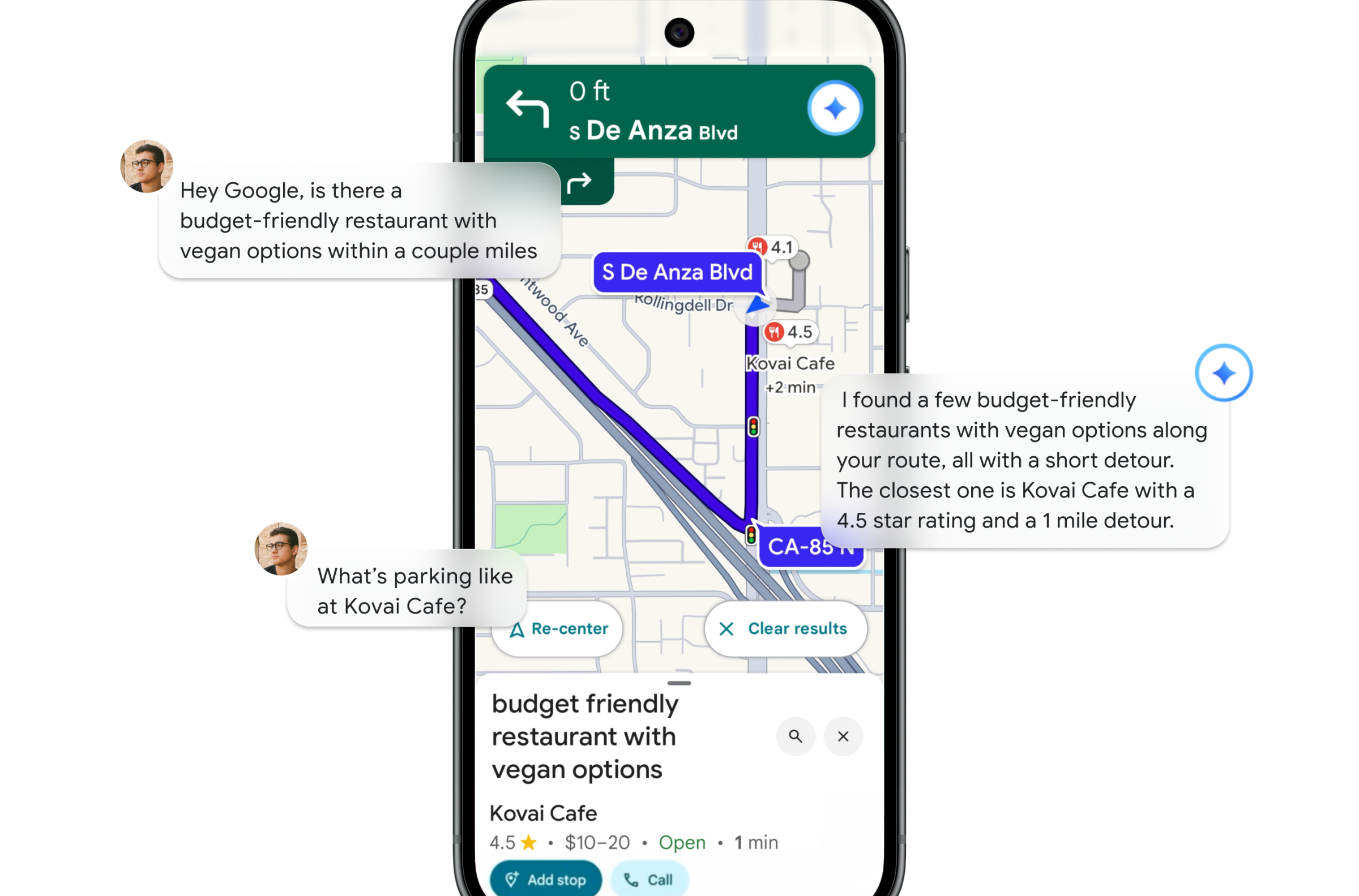
Google also released a new conversational feature in Google Maps, which it says transforms Maps into an “all-knowing assistant”. Users can now ask Gemini open-ended questions from within Maps, either while driving or out walking
A leaked memo has revealed how YouTube is structuring its product teams. YouTube CEO Neal Mohan has confirmed that the company is restructuring its product teams around 3 distinct product orgs: viewer products, creator/community, and subscription products. Before, all product teams reported to the CPO, but these new groups will report directly to the CEO. YouTube’s UX teams are also merging with engineering and will report to the VP of Product and Engineering, Scott Silver
Windsurf has launched a new feature called Codemaps that’s designed to help engineers “understand code before you vibe it”. The new feature will create a visual representation of your product’s codebase and instantly link to the relevant part of the code when you click on the diagram
Pinterest has launched an AI Assistant that lets users describe what they’re looking for conversationally, and it responds with tailored, shoppable results based on users’ tastes. Pinterest says that the Assistant leads to a 30% jump in the relevancy of shopping recommendations
China dropped Kimi K2 Thinking—a 1-trillion parameter open model that scored 51% on Humanity’s Last Exam, beating GPT-5, at 6× lower cost than Claude
📚 Good reads
Designing for AI, not just with it. AI won’t just assist designers—it will be the designer and the user. The piece by Mat Venn argues for Agentic Experience Design (AXD): designing experiences for synthetic agents that perceive, decide, execute, and learn. For PMs, this means rethinking personas, journeys, research, QA, and KPIs for agent-driven workflows, plus preparing for a browser-less future with voice/text interfaces and in‑agent “apps”
Anthropic’s prototype-first product process reimagines how PMs build. They skip specs, ship a Claude Code-built prototype to the whole company, then iterate fast on dogfooding feedback. It’s great approach if AI-assisted prototyping and strong internal testing culture are present, and helps PMs learn faster and avoid over-planning
Viral loops. Andrew Chen revisits web 2.0 virality, defining viral factor as a cohort ratio and breaking down content-sharing loops with practical tracking and math. He argues mobile killed spammy >1 viral loops, making retention and multi-loop PLG the real growth engine. Modern AI “create-and-share” loops spike growth, but durability still comes from sticky products that accumulate virality across sessions
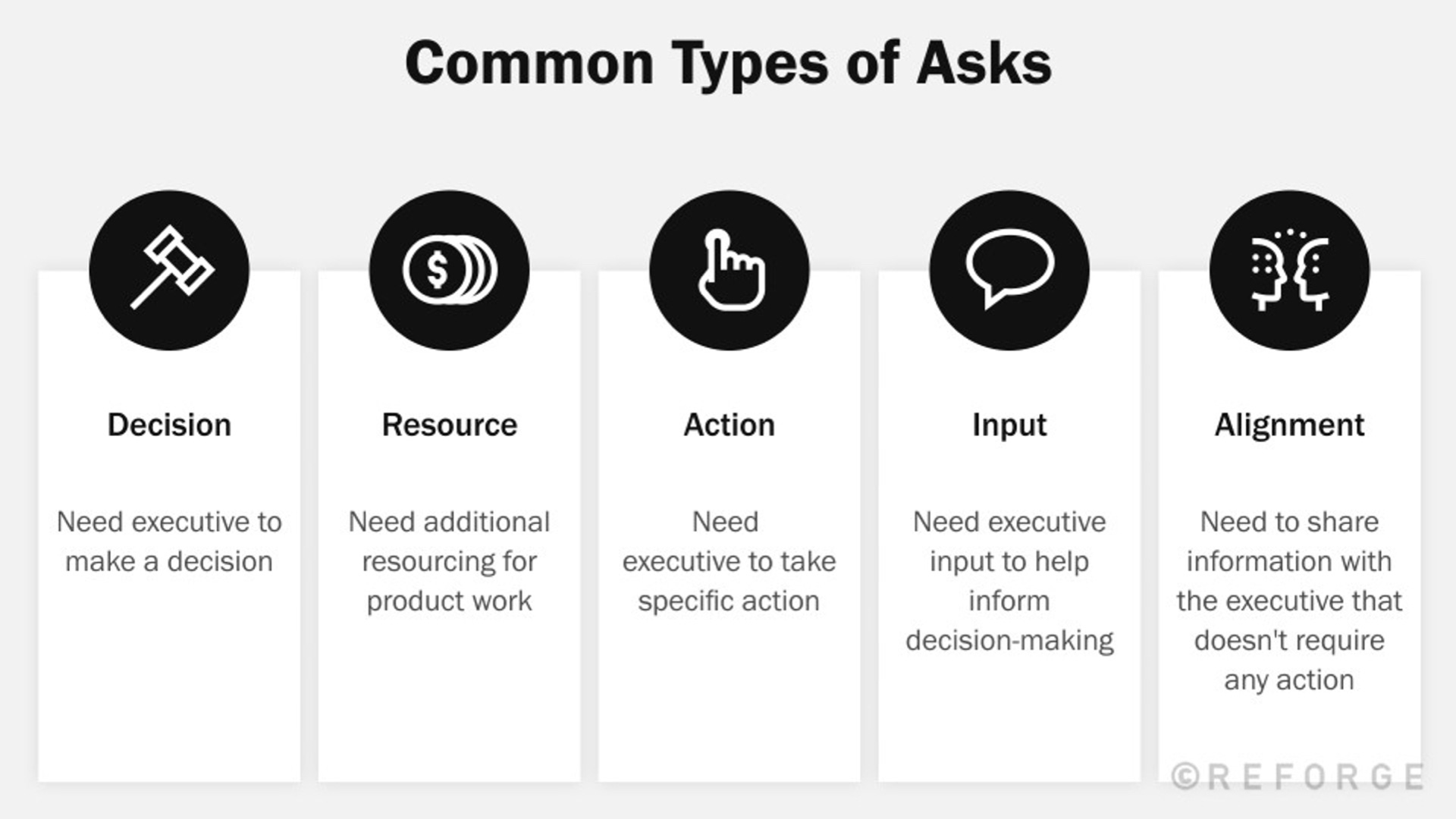
Managing up on high performance teams. Ravi Mehta shares how thriving with intense, “founder‑mode” leaders means shifting from deliverables to influence. He lays out three habits: see the world through execs’ constraints, build compounding confidence via credibility and alignment, and make crisp, contextual asks
Brand is a product job now. Elena Verna argues brand isn’t marketing’s slogan anymore. It’s how the product makes people feel. With AI search surfacing real user sentiment, utility drives usage but emotion drives loyalty, so teams must design memorable, tasteful moments inside the product. PMs, measure delight, craft signature moments, and let the product broadcast the brand
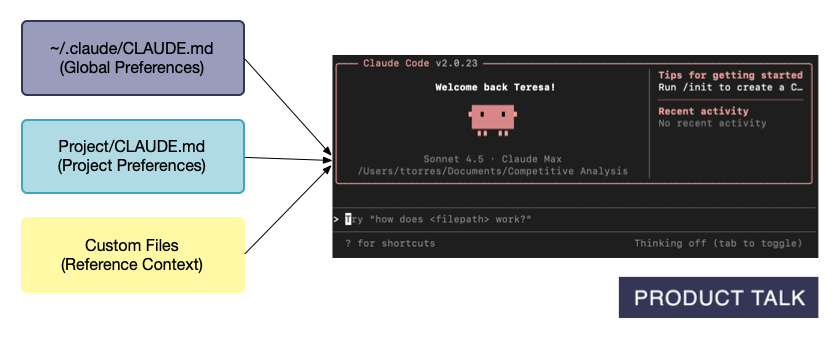
Stop repeating yourself: give Claude Code a memory. Teresa Torres explains how using Claude Code with a three-layer memory system stops context-reset fatigue and boosts quality. By storing reusable, targeted context on your machine, Claude pulls exactly what’s needed per task, avoiding context rot and generic output
21 templates for PMs to save time and nerves. David Pereira shares free, thoughtful templates to boost leadership, strategy, discovery, and delivery. Includes health checks, lean canvas, interviews, OSTs, assumptions testing, experiments, prioritization, and retrospectives
Top companies hiring AI PMs right now. Microsoft, Google, Amazon, and Meta are ramping up AI PM hiring. Google’s senior AI PM comp is hitting $562K and Microsoft is listing 162 roles. Across the top 10, the average senior AI PM comp is about $320K, and these firms account for only 7% of total openings
That’s a wrap for this week! 🌟
I’d love to hear your thoughts on WIP. Reply to the email or drop a comment on Substack to share your take, and if you found this valuable, forward it to a fellow PM, Product enthusiast, startup founder, or entrepreneur who’d enjoy the read
More next week! 👋
Angel