

Hi, good product people 👋
Welcome to a new Week in Product!
🎰 The week in figures
$5.7B: OpenAI reportedly generated about $5.7B in Q1, nearly $1B ahead of Anthropic, while Anthropic is projected to more than double to $10.9B in Q2
$1.25B: SpaceX's public S-1 filing revealed Anthropic will pay SpaceX $1.25B per month through May 2029 for xAI data center access, and that X lost $595M in ad revenue in 2024 due to advertiser exits
$700M: Hark, the AI hardware startup raised $700M+ Series A at $6B valuation
$355M: Modal raises $355M at a $4.65B valuation, claiming x5 growth since September 2025 and reaching $300M worth of annualized revenue. Modal’s neocloud-ish offering sells AI compute, training, and control products that charge for GPU time only when in use, lowering costs for end-customers
$300M: Decart raised $300M to build low-latency AI infrastructure
$250M: Exa Labs raises $250M at $2.2B valuation to build what they call the “perfect search engine,” optimized for AI tasks rather than upgraded from an old-fashioned browsing-first product (aka Google)
$200M: Mercury raised $200M at $5.2B, 49% up becoming federally regulated bank aiming for listing with $650M ARR
3.2M: Alibaba reported 3.2M robotaxi rides in Q1 2026, up from 1.4M YoY
8K Meta employees received layoff notices this week, and about 7K got re-assigned to new AI-focused teams
500x: Arena’s frontier research found GPT-4-level model quality is now roughly 500x cheaper than it was in 2023
89%: OpenAI and Antrhopic now caputre 89% of AI startup revenue
17%: Intuit plans to lay off 3,000+ workers, about 17% of its workforce, to simplify the company and refocus on AI products
11.6%: Google's Gemini became the #2 AI referral source in Q1 2026, nearly tripling its share to 11.6% and now sending more web traffic than Perplexity, Claude, Meta AI, DeepSeek, and Grok combined
📰 What’s going on
Google’s I/O announcements:
AI in Search. Google’s first major redesign in 25 years; uses AI to help users formulate questions with smart suggestions beyond basic autocomplete. You can input text, images, files, videos, or Chrome tabs with the UI changing depending on the user’s request.
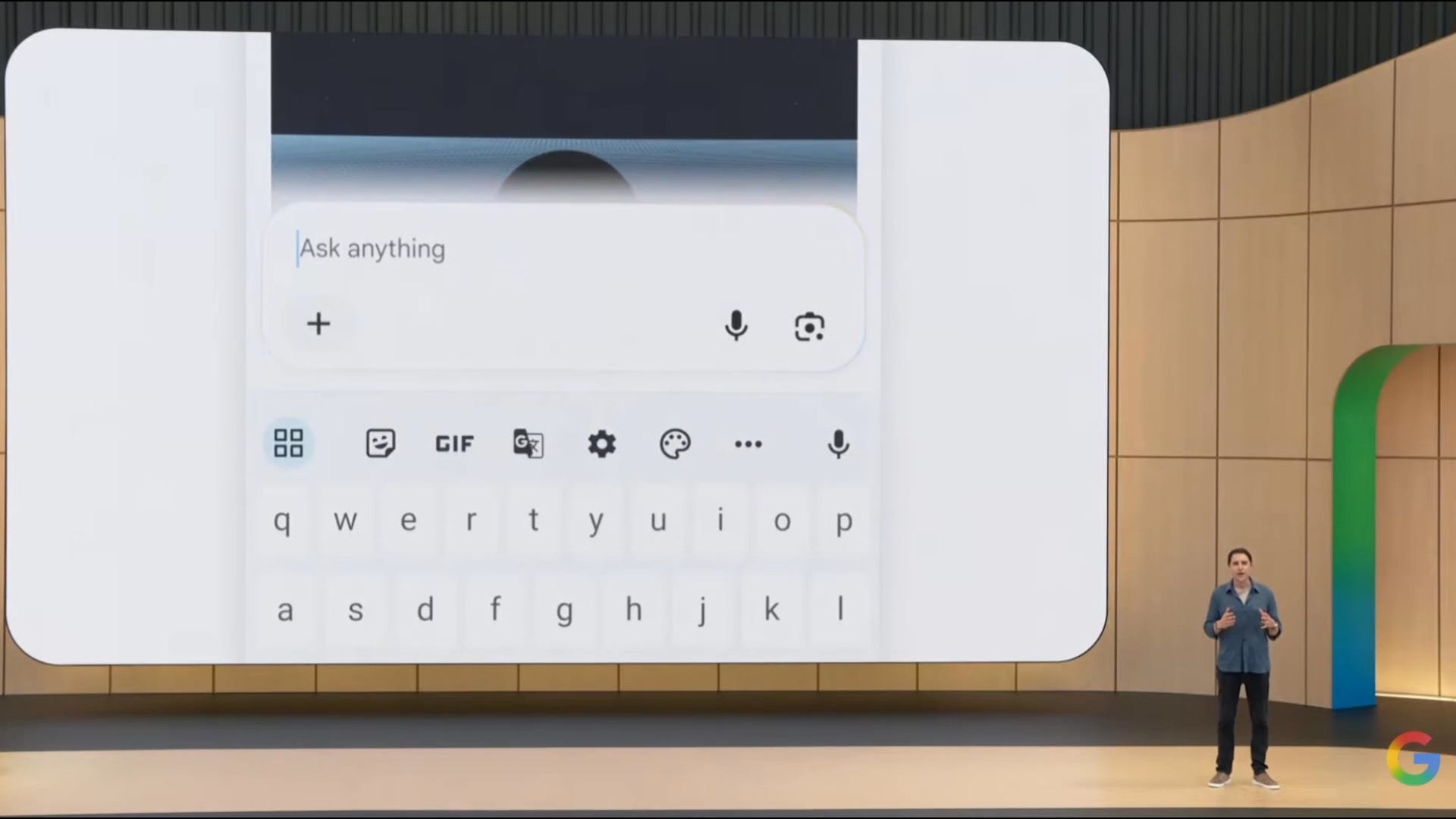
Search agents will monitor the web 24/7 for updates matching your criteria, automatically notifying you when relevant information appears.
Coding on Search; this mode generates custom UI components on the fly - things like interactive visualizations, dashboards, and mini-apps tailored to your task
Personal Intelligence integrates your Gmail, Photos, and Calendar data so Search understands your context
New voice capabilities, including a feature called “Docs Live” that acts as a thought partner and co-writer to help users create a first draft of a document
Gemini Spark: a new personal AI agent that runs on Google Cloud infrastructure rather than your device
Gemini 3.5 Flash: pitched as their strongest release yet for coding, managing agents, and research projects. In internal tests, 3.5 Flash built its own proprietary operating system from scratch.
A new version of the Antigravity agentic coding app, which includes an updated desktop version, a CLI tool, and an SDK for custom workflows
Google AI Studio now builds native Android apps from prompts and lets you pull in Workspace data
Meta releases new Reddit rival: Forum. The app’s release immediately triggered a drop to Reddit stock, which is down around 40% so far in 2026
OpenAI is preparing to confidentially file for an IPO anytime now, targeting a September debut at an $852B valuation, right after Elon Musk lost his lawsuit trying to block the company's restructuring
An internal OpenAI model solved an 80-year math problem by… disproving it. Erdős unit distance conjecture, a discrete geometry problem from 1946, was proven false
Spotify will launch a Beta AI tool in June that creates audiobooks (in partnership with ElevenLabs)
Amazon launches AI-generated podcast feature on Alexa+. Users can ask Alexa+ to create podcast episodes on any topic, with AI researching the subject and generating narrated content in minutes; now available across the U.S
Grok launched Skills, a persistent memory feature that lets you teach Grok a formatting rule, workflow, or personal preference once, and it remembers it across every future conversation, no re-prompting needed
X limits free users. If you use X and don’t pay for the service, watch your volume. You are now limited to “50 original posts and 200 replies per day,” whereas before you could ship as many as 2,400 updates every 24 hours
Figma released a new agent that works directly on the design canvas. The agent understands your design system, components, tokens, and team context, giving it access to information third-party tools can’t reach. The agent handles 3 core workflows: exploring design directions (generate multiple stylistic approaches simultaneously), automating busywork (bulk edits, component swaps, content population), and processing team feedback (summarizing comments, identifying themes, pressure-testing designs from different perspectives)
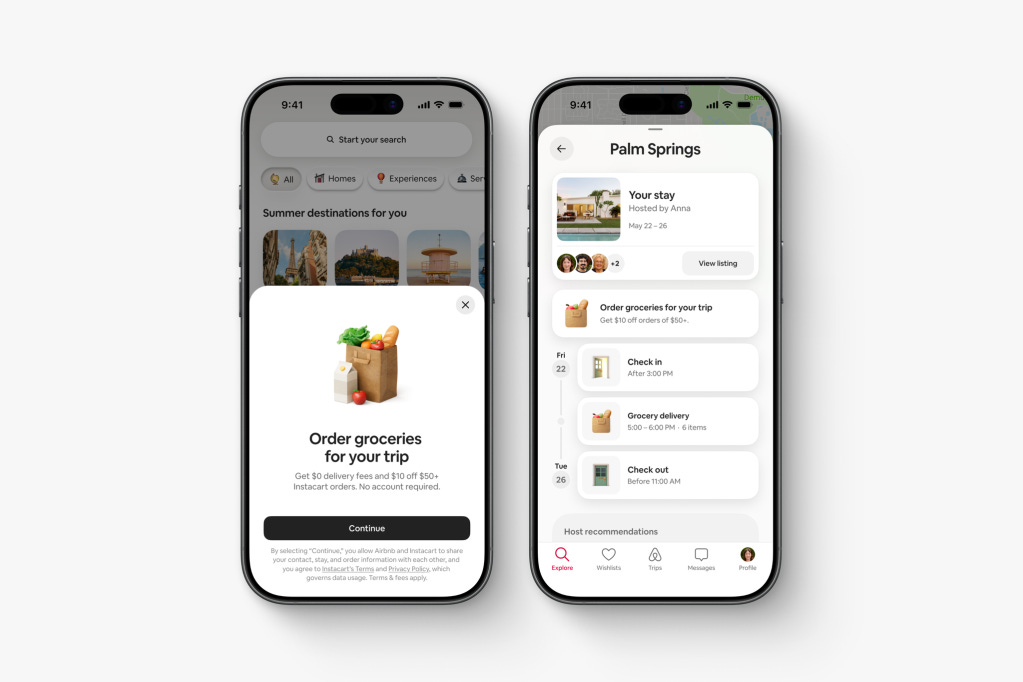
Airbnb's summer release added car hire, grocery delivery, airport pickups, boutique hotels, and AI-powered review summaries to the app, expanding the platform well beyond home rentals for the second year running
Oura files (confidentially) to go public. The fitness wearable and software comapny was last valued at $11B and had expected revenues of $1B last year
📚 Good reads
After Automation. Dan Shipper argues AI creates more work for humans by flooding the world with generic output and raising the value of taste, context, and judgment
AI artifact catalogs: a smarter way to scale your org’s AI. Instead of chasing the latest AI agent, the piece argues you should invest in vendor‑agnostic “AI artifacts” (skills, MCP servers, plugins) that encode how your org works. These artifacts live in shared catalogs (often just Git repos), and are reusable building blocks for agents. Companies like Ramp and Intercom follow this practice really well
Your job is changing faster than you think. Elena Verna argues that even if you keep your title, your role will be unrecognizable by 2027 as AI, org changes, and shifting expectations reshape what “good” looks like. She suggests treating yourself like a product: decide if you like your current job, build career optionality, and get AI‑native. The takeaway for PMs: assume your current skill mix has an expiry date and start rewiring now, on your own terms
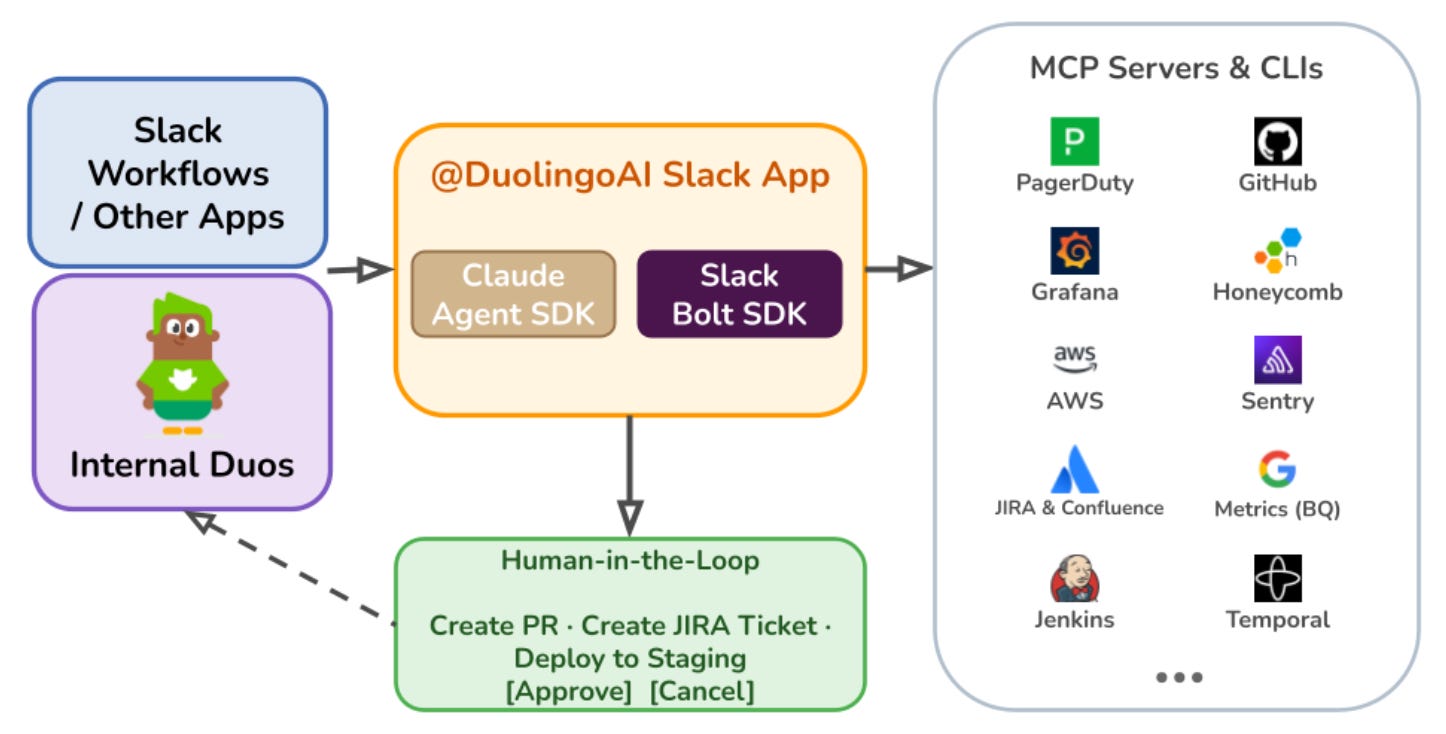
Duolingo’s AI Slack bot makes debugging feel almost fun. Duolingo wired MCP agents into a Slack app that talks to 200+ internal tools, so engineers can triage incidents, answer help-desk questions, and even spin up PRs without leaving chat. Over time they standardized on HTTP MCP servers, added guardrails (role-based access, validation sub-agents, human approval buttons), and dogfooded hard to drive reliability. The result: an AI assistant that ~30% of the company uses weekly with an ~80% upvote rate
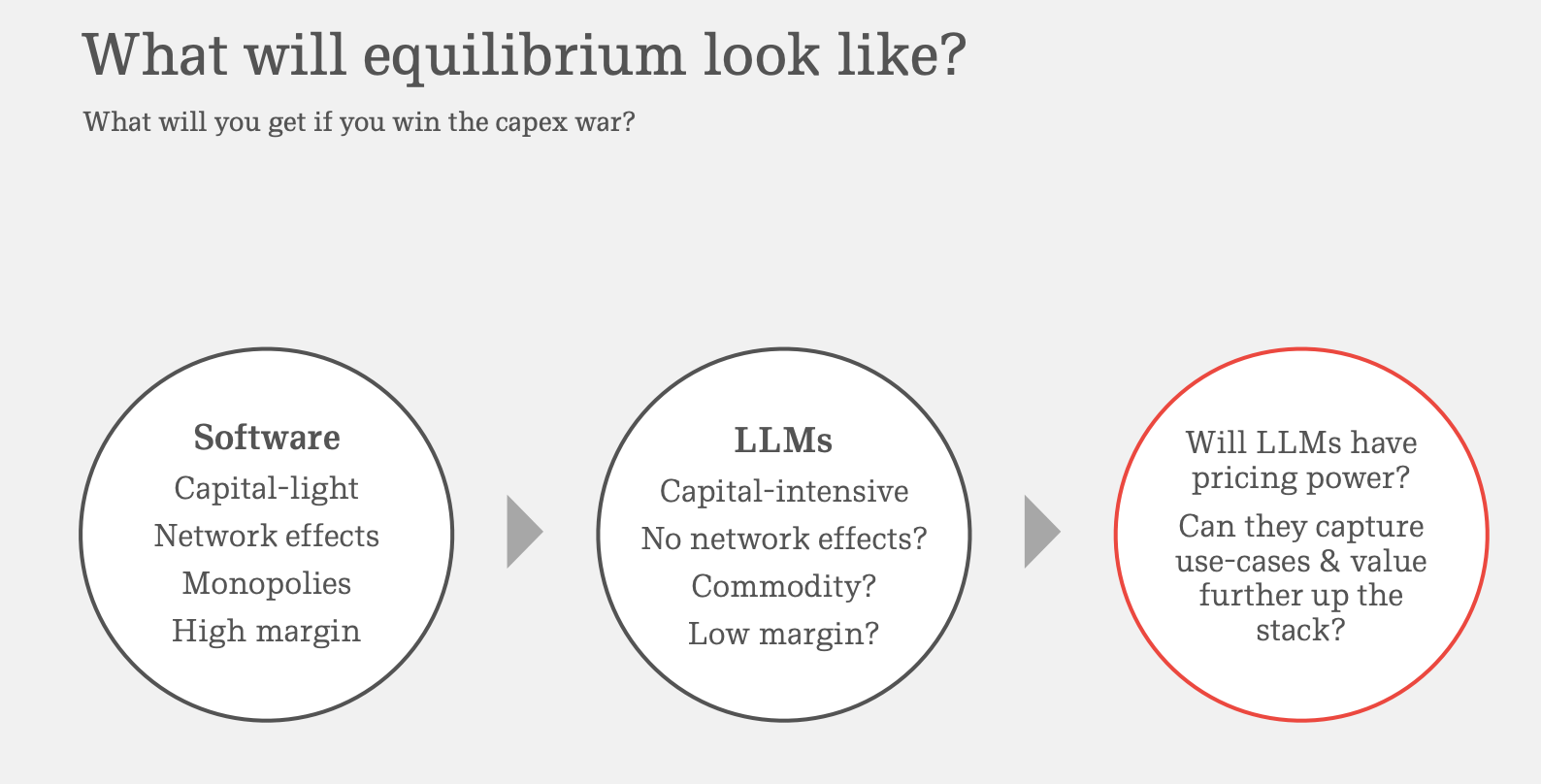
AI eats the world: how platform shifts reshape tech. Ben Evans argues that genAI is a classic platform shift: massive capex, commodity models, and a scramble to figure out where the real value and margins sit in the stack. Today’s wins are obvious “infinite intern” use cases (coding, customer support, ops) but the hard part is rethinking workflows, moats and jobs, not writing code
🎧 Good listen/watch
[Video] The “refounder.” Notion’s CEO, Ivan Zhaom, explains how Notion repeatedly “refounded” itself to stay ahead of big shifts: once in Kyoto pre–product-market fit, and again in Cancun after a GPT‑4 shock.. He looks for blurry PM/design/eng roles, barbell engineering teams (super‑junior + super‑senior), and hiring more for taste, agency, and curiosity than experience
🧑💻 Worth learning
Anthropic’s Claude Cookbook is a growing library of hands-on recipes for product teams building AI agents, tools, and RAG workflows. It ranges from multi-agent sales and SRE incident responders to data analysts, eval loops, cost/latency optimizations, and memory management
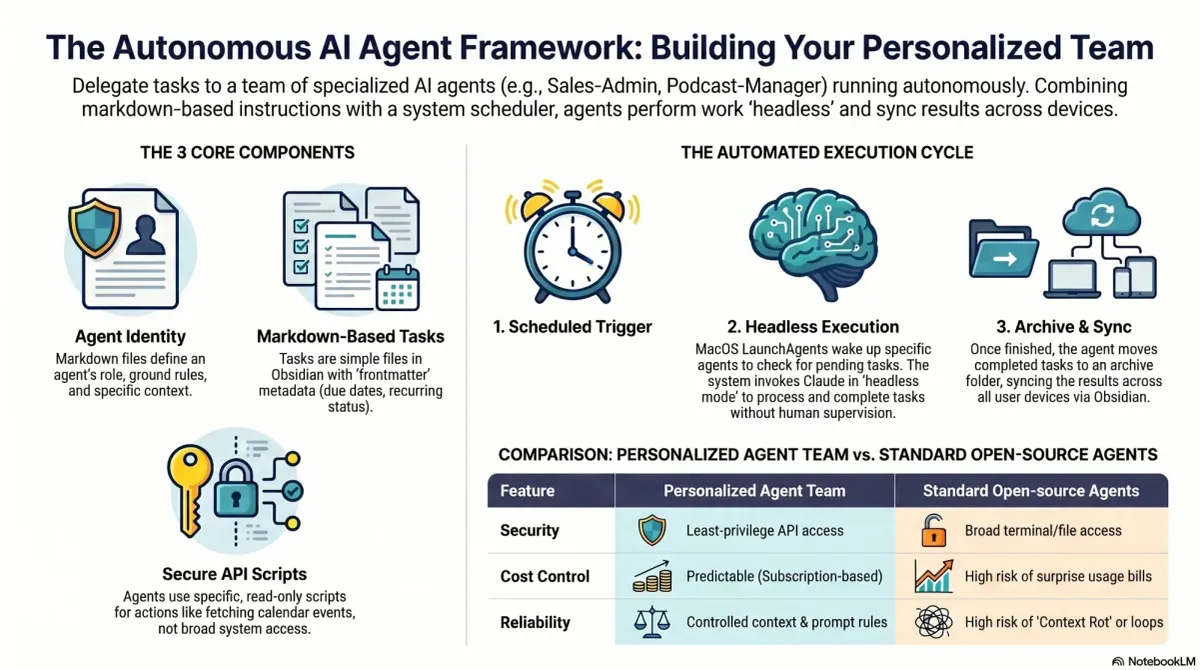
My team of AI agents that work while I’m offline. Teresa Torres explains how she built a small “team” of Claude-powered agents that automatically prep her for podcasts and sales calls, generate follow-up tasks, and deliver a weekly coding retro. She uses Obsidian files to define agent identities, tasks, and scripts, + MacOS scheduling on an always-on Mac Mini
🔧 Products to try
Figma’s new design agent on the canvas. You can generate designs, edit existing files, and create variations from text prompts; waitlist
NanoClaw is a sandboxed alternative to OpenClaw that runs in a container, so your AI agent can't access your entire machine. It went viral, turned down a $20M buyout, and raised $12M seed with the Hugging Face CEO as an angel; free
That’s a wrap for this week.
Feel free to drop your comments/questions/feedback. Would love to hear what you’d like to see more about in WiP, so I can make it better for you.
Have a great weekend!
