

Hi, good product people 👋
Welcome to a new Week in Product!
🎰 The week in figures
€110B: France has locked down €110B to expand its domestic AI footprint
1B: ChatGPT hits 1B users faster than any app. Reached milestone in May, after three years, 62% YoY growth; it took Google Maps, Chrome, YouTube, and TikTok five to eight years to reach the same mark
$500M: Supabase closed a $500M Series F at a $10.5B valuation (200% + since October) and databases on the platform are up 600% YoY,. Claude Code is the single biggest contributor. Their on-app user isn't a developer anymore. It's an agent acting on behalf of a developer through MCPs
$1.5K: Uber has capped usage of AI tools to $1,500 per employee. The idea of tokenmaxxing, which incentivized all sorts of bad behavior, has been short-lived
$200: Meta is considering charging up to $200/month for Hatch, its upcoming consumer AI agent (formerly OpenClaw), putting it in direct competition with top-tier offerings from OpenAI and Anthropic
90%: Pinterest cut AI inference costs 90% by rebuilding Qwen3-VL's vision layer with proprietary embeddings, boosting accuracy 30% for their 620M users
80%: Anthropic says more than 80% of production code merged into its codebase in May 2026 was authored by Claude. The average Anthropic engineer now merges 8x as much code per day as they did in 2024. Claude Mythos Preview sped up model-training code by ~52x, compared with ~3x for Claude Opus 4 in May 2025
57%: Cloudflare’s latest data shows AI agents generating about 57.5% of HTTP requests, overtaking humans far earlier than the company’s CEO expected
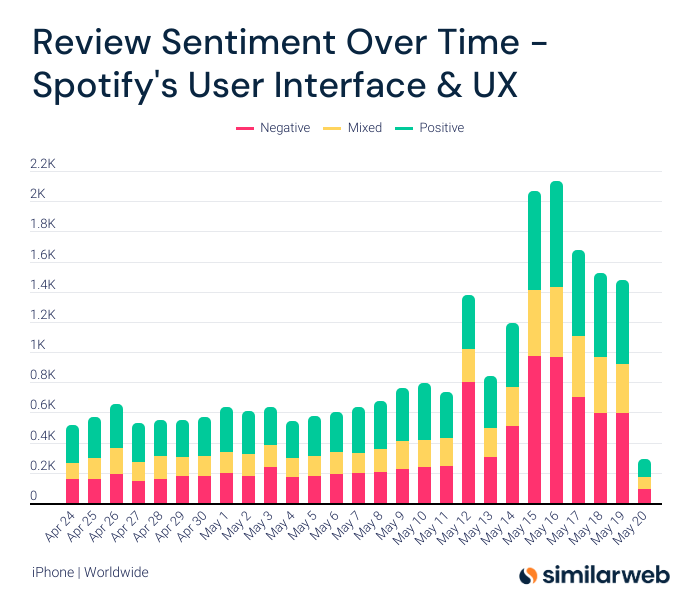
44.1%: Spotify’s controversial disco ball logo change drove negative reviews from 30.9% to 44.1%
📰 What’s going on
OpenAI rolled out a new ChatGPT memory system that updates useful context over time and gives users a reviewable summary to steer what gets remembered
OpenAI launches role-specific plugins that can be installed from the Codex plugin directory and are designed to help with niche use cases. Some useful plugins: a design plugin built for turning early ideas into prototypes, and a data analytics plugin
OpenAI's Codex update adds enterprise workspaces. The new Sites feature lets teams build hosted apps without front-end dev. Non-developers are now 20% of 5M weekly users, and are growing 3x faster than engineers
Anthropic expands Project Glasswing to 150+ orgs across 15 countries. Claude Mythos is now securing critical infrastructure in power, water, and healthcare sectors; partners include Samsung, SK Hynix, and NATO, targeting codebases affecting 100M+ people per organization
Anthropic confidentially submitted a draft S-1 to the SEC, giving it the option to pursue an IPO after the review process
Microsoft launches Scout personal assistant. Like OpenClaw, it’s an always-on agent that monitors calendar, traffic, and Teams threads. 3K+ Microsoft employees are already using it. Desktop preview for US Frontier customers this week
Microsoft Copilot Health launches in preview, providing personalized health guidance via AI assistant
GitHub showed the new GitHub Copilot app, Microsoft’s answer to Codex and Claude Code, with access to OpenAI, Anthropic, and Google models
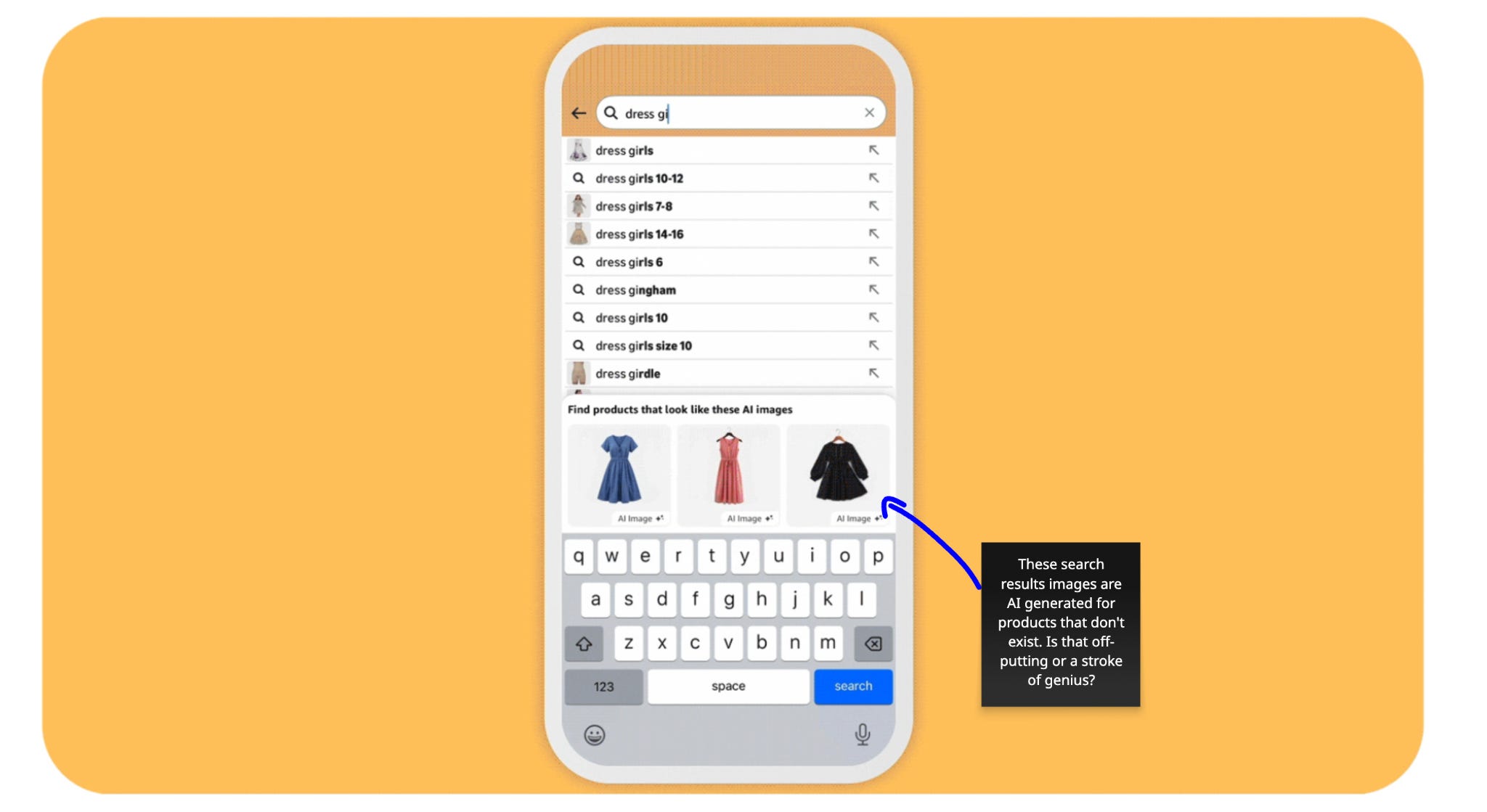
Amazon introduced a new feature that creates AI generated images of products that don’t necessarily exist. E.g., if you want a “shirt with a draped collar”, the results set will show you an AI-generated image of that as you type. Users can then use that image to perform a visual search to find similar items that look like the visual
Google Labs launched Dreambeans: an app that scans your Gmail, Photos, and Calendar, then turns your personal data into a short daily set of AI-illustrated stories
Meta has launched an AI "Business Agent" that can book appointments, close sales, and process payments on behalf of companies, marking the social media giant's biggest push yet into the enterprise AI market. The tool goes live across WhatsApp, Messenger, and Instagram for businesses of all sizes globally
Meta is developing an AI pendant you clip to your shirt or wear as a necklace that records and summarizes your conversations throughout the day, building on the Limitless startup it acquired last year. Testing is expected to start in 2027
Apple approves the first third-party AI agent for Messages for Business. Poke, as it’s called, operates via a per-user fee structure and supports tasks from scheduling to smart home control through iMessage
Perplexity built a real-time system that decides whether each AI query runs on your local PC or in the cloud, cutting inference costs without hurting quality
X launches “React with Video” feature, in their latest attempt to keep up with the endless scroll video apps of the world. The in-app created videos closely resemble TikTok or Instagram “reactions,” with users’ selfie footage hovering over the original content as they provide their analysis and commentary
Zoom launched ZoomMate, an AI teammate that turns workplace conversations into agentic search, custom agents, deliverables, and workflow execution across tools like Salesforce, Jira, Slack, and ServiceNow
Oura launched a 40% smaller smart ring, the smallest ever they claim, to track sleep and stress with extended battery life
China develops world-first brain chip with advanced neural interface capabilities, competing with Neuralink
Trump signed an executive order asking AI companies to voluntarily provide their frontier models to the federal government up to 30 days before public release. The order is aimed at assessing models' "advanced cyber capabilities" and selecting "trusted partners" for preview
📚 Good reads
Your AI strategy has a trust problem, not a tooling problem. Elena Verna argues most companies already have enough AI tools, but their command-and-control org design kills speed by hoarding context and centralizing decisions. She contrasts this with “AI-native” setups like Lovable, where titles matter less, information is open, and sharp ICs have real autonomy (and accountability) to ship fast, reversible bets. The key is high-agency people in trust-based teams
Co-existence and the end of co-intelligence. Ethan Mollick argues we’re moving from chatty “co-intelligence” with AI to agents that act as powerful, opinionated gatekeepers between our work and users. He shows how he wrote his new book largely as a human, but let AI heavily shape the site and even an “AI-only” sales page, A/B-tested across models. Products now have to be designed not just for humans, but for AI intermediaries that will read, judge, and route what we build
Voice is becoming the new UI for digital products. As voice tech gets better, people increasingly skip clunky menus and just say what they want, shifting UX from “operating software” to expressing intent. The article argues that voice will sit on top of traditional UIs, with screens used more for reviewing and approving what AI produces than for driving workflows. Complement with this piece by Allen Pike, who argues that the blocker is latency. Today’s voice agents feel dumb or slow because they rely on tiny models and clunky single-turn flows, but fast-enough models plus streaming, tiny time slices, heavy context caching, and lightweight output formats can already make realtime voice-to-UI tools feel great
How to PM an MCP. Tal Raviv shares how he’s building an MCP connector for a finance platform where you don’t control the model, prompt, or harness, but you’re still on the hook for quality. He walks through designing tools and skills, building an eval pipeline, and more
Mid-career satisfaction is about your inner scorecard, not LinkedIn. Shreyas Doshi argues that many ambitious mid-career folks chase titles, money, and scope, then feel strangely empty once the novelty wears off. What really drives lasting satisfaction is competence, flow, fit, and how you feel on Sunday nights (things your imagined “audience” neither sees nor cares about)
🎧 Good listen/watch
[Video Podcast] AI-first search at Google. Google VP of Search Robby Stein explains how AI Mode and AI Overviews expand what search can do, especially for complex, multi-part questions, while keeping classic results and links central. He walks through how queries are broken into many sub-queries, fanned out across the web and Google verticals, then recomposed into rich, multi-format answers. Stein also leans into an “agentic era” vision where search agents personalize using your data (opt‑in) and quietly act on your behalf (booking, monitoring, and aggregating) without cutting publishers out of the value chain
🧑💻 Worth learning
How to build self‑improving Claude skills with evals and memory. Peter Yang shows how to turn workflows into reusable Claude skills that know when to trigger, grade their own output with pass/fail evals, and learn from a running memory log
🔧 Products to try
Miso One: an open-source text-to-speech model that clones any voice from 10 seconds of audio and generates expressive speech with 110ms latency; free to try
LLMTest sits between your app and your AI model, watches your real traffic, then automatically rewrites prompts and swaps in cheaper models to cut costs without breaking anything; free to try
👨💻 My work
I’ve been entertained with multiple side projects during my sleepless paternity leave nights.
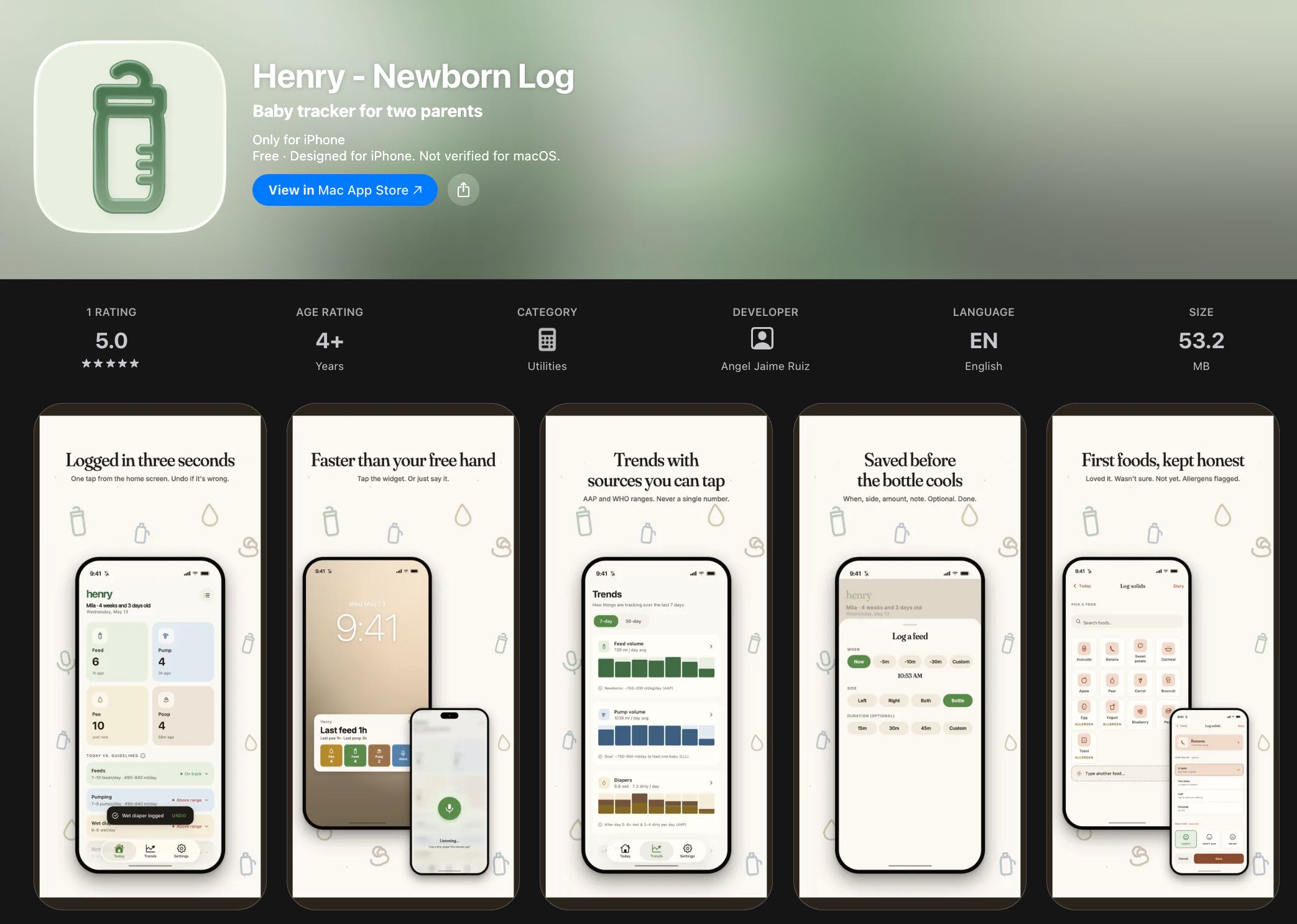
The main one has been henry, the baby tracker I wish existed. There are tens (maybe hundreds) of baby trackers in the app store. After checking a bunch of them, I noticed how they are generally full of dark patterns to monetize, overly complex, or plain ugly. So I built a very simple, easy-to-use, and free app for myself and any parent who needs it. I will write some articles about how it all came together (here’s a preview), but it has been very Claude Code-assisted It’s now live on the app store, and our pediatrician loves it!
I also took time to rebuild my personal site, including portfolio, media, and a space for my non-FTE work as Product coach and advisor.
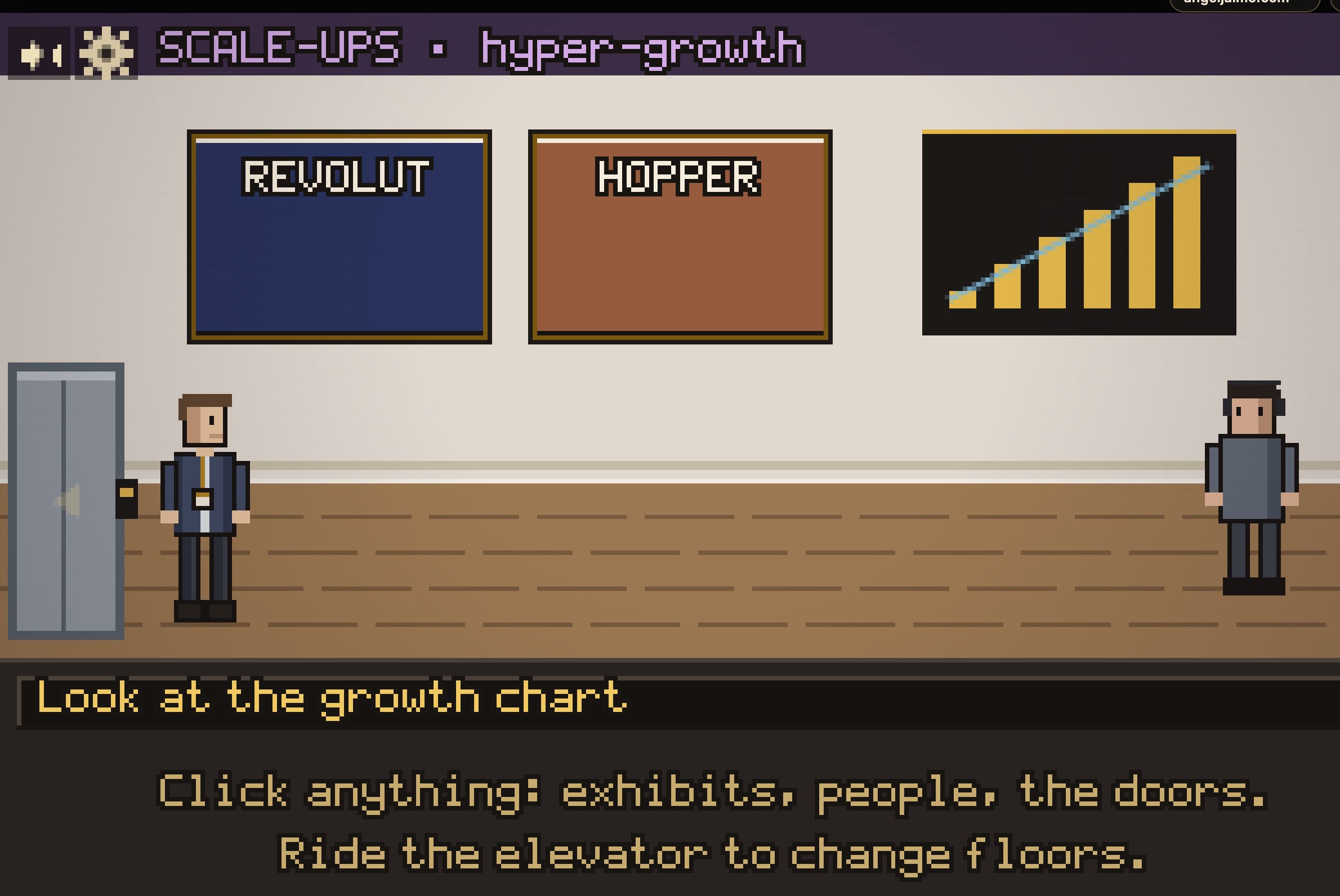
And finally, in case you missed it last week, I’ve been messing up with the capabilities of frontier models (mostly Opus 4.8) by vibe-coding 90-feeling adventure games, like this Monkey Island spin-off based on Barcelona, and….the delight or nightmare of recruiters (depending on their day and mood): my portfolio as an adventure game 🙈
I published the game-creation skills on a public repo for anyone to use. Enjoy!
That’s a wrap for this week.
Feel free to drop your comments/questions/feedback. Would love to hear what you’d like to see more about in WiP, so I can make it better for you.
Have a great start to your week!
