Hi folks 👋
Welcome to a new Week in Product!
🎰 The week in figures
$60B: Flutter/FanDuel expects $60B in global legal betting on the 2026 World Cup, 71% more than 2022, with peak demand hitting 100K bets/minute
$60B: SpaceX to acquire Cursor for $60B. Back in April, SpaceX announced an agreement to either acquire Cursor owner Anysphere for $60B or pay the company $10B for its collaborative work on a new AI model. Post-IPO, the companies have made the acquisition official (pending regulatory approval)
$34B: OpenAI losses increased nearly 8X in 2025, with spending hitting $34B
$7.4B: DeepSeek valued $50B after raising $7.4B
$3.6B: Salesforce buys Fin (previously known as Intercom) in a $3.6B deal
1B: ChatGPT hit 1B mobile MAUs
$310M: Odyssey, the world model startup, raised a $310M Series B at a $1.45B valuation. Unlike LLMs, world models map the physical world and attempt to understand how objects move through it. They’re essential for training and directing the self-driving cars, robots, and other hardware controlled by AI brains, but occupying physical space alongside humans
10k: China is executing a 2026 plan to deploy 10K+ humanoid robots across factories, logistics, retail, healthcare, inspection, and emergency response sectors
$2.2k: Snap unveils standalone Specs AR glasses powered by Qualcomm Snapdragon for $2,195, featuring 51-degree field of view, gesture control, shipping fall 2026. Snap stock plumeted 20% after the announcement, which also came with plenty of mockery

49% of US adults now report using AI chatbots. 25% on a daily basis
📰 What’s going on
OpenAI’s Codex has launched a new feature called Record & Replay which lets users show Codex a workflow once and then reuse it later as a skill. Codex can interact with e.g. spreadsheets, web applications, browser tabs, or connected plugins
Codex also launched a dedicated iOS plugin that makes it easier to build iOS apps end to end
Claude Design shipped a change to the components it creates to help bridge the gap between design and development. Product teams can now upload their actual component libraries 8buttons, typography, color tokens, spacing rules,…) from GitHub, design files, or raw uploads. Claude then generates designs using only those components and auto-corrects output before showing it to users. They also launched a redesigned editor, which comes with some new layout controls. These let you drag, resize and align elements directly on the canvas, without having to rely on the conversational interface to make the changes
Claude Design can now send designs directly to third parties like Replit, Miro or Canva
Anthropic is “very confident” Claude Fable 5 and Mythos 5 will become available again “in the coming days,” according to Managing Director of International
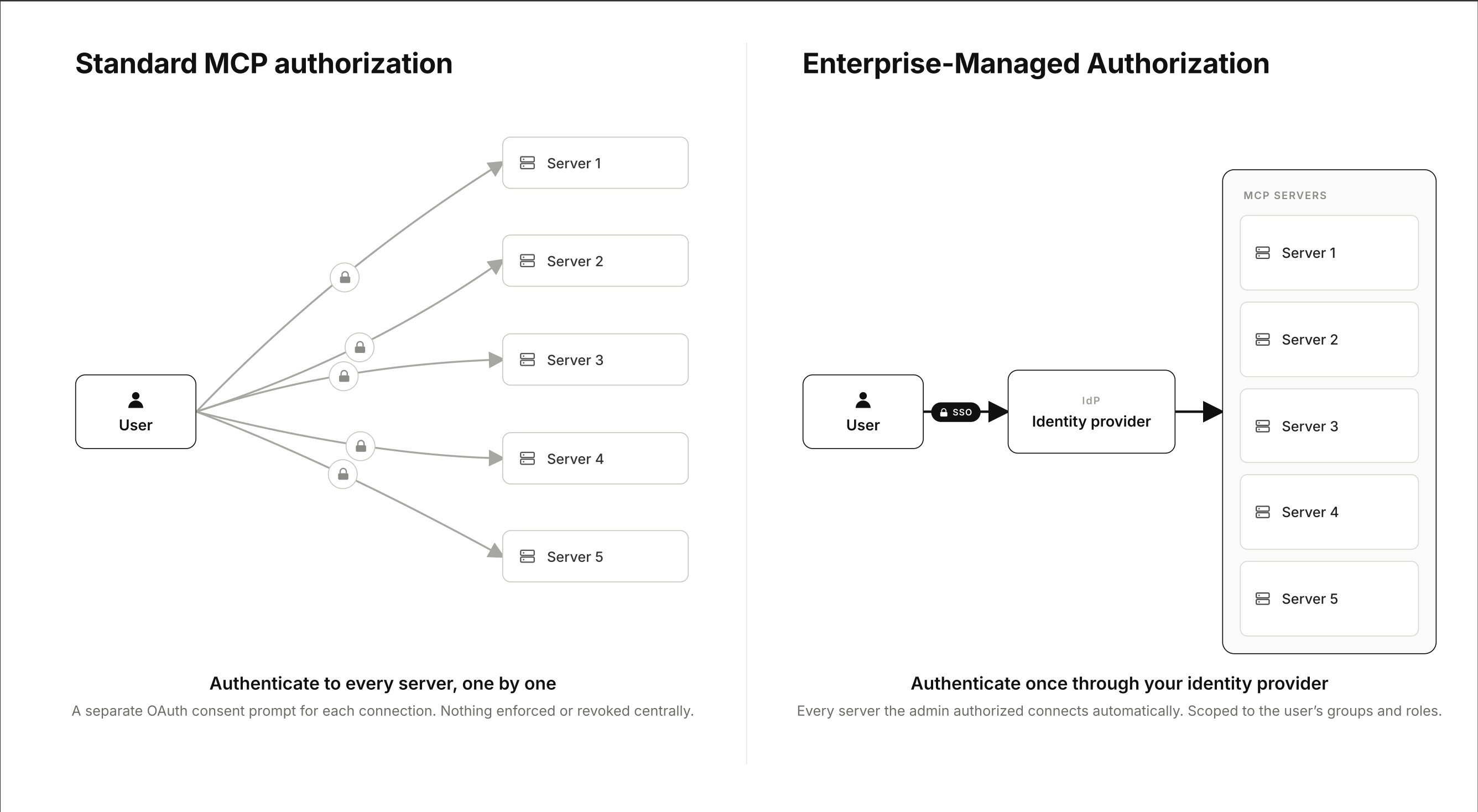
Anthropic added centralized enterprise auth for MCP connectors, starting with Okta beta support
Google rolled out Gemini-powered Gmail summaries globally across free, paid, and Workspace accounts on Android, iOS, and web
Google launched Android 17 with AppFunctions, Bubble Bar multitasking, device handoff, post-quantum security, and more Gemini features.
Perplexity launched Brain for Computer, a continuously learning memory/context-graph system in Research Preview for Max subscribers that starts future tasks with project context and is reported to improve answer correctness by 25%, recall by 16%, and history-dependent task cost by 13%
AWS launches AI agent capabilities at New York Summit. Amazon Bedrock AgentCore adds managed knowledge bases, web search, and monetization tools for content owners to price and meter AI bot access at the edge
Meta launched AI Mode on Facebook, a chatbot-style search that synthesizes answers from public posts, Groups, and Reels instead of returning a list of links, powered by Meta's Muse Spark model
Meta split operations from Manus and began unwinding the acquisition after Chinese regulatory pressure; the founders were reportedly exploring a buyback
Meta’s Emily Dalton Smith is stepping down just two months after being tapped to lead its new “AI for Work” initiative, which was meant to unify internal AI tooling and agents like Metamate
Microsoft ships Copilot Cowork globally with usage-based billing. The agentic system now runs complex, multi-tool tasks end-to-end with spending limits, usage reporting, and model choice
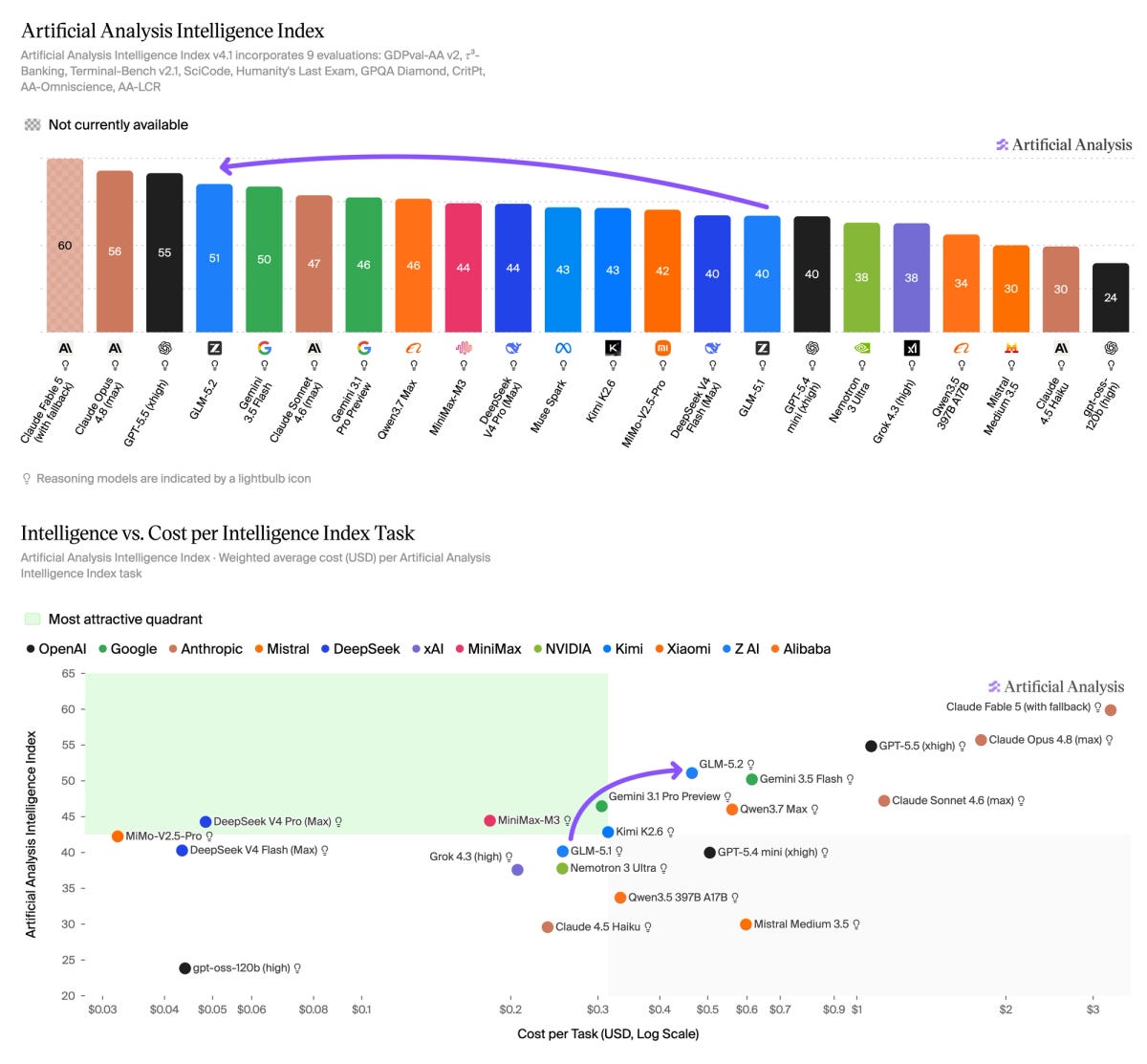
Z.ai released GLM-5.2, an open-weights model with 1M-token context window and strong long-horizon coding. Ahead of Google’s Gemini 3.5 Flash in benchmarks, and just below Opus 4.8 and GPT-5.5, but at a fraction of the cost
Pinterest has teased the launch of “Ask Pinterest,” an experimental standalone app that lets users discover products through natural language conversation instead of traditional visual search. Pinterest built it as a separate app to test conversational shopping without disrupting the main app
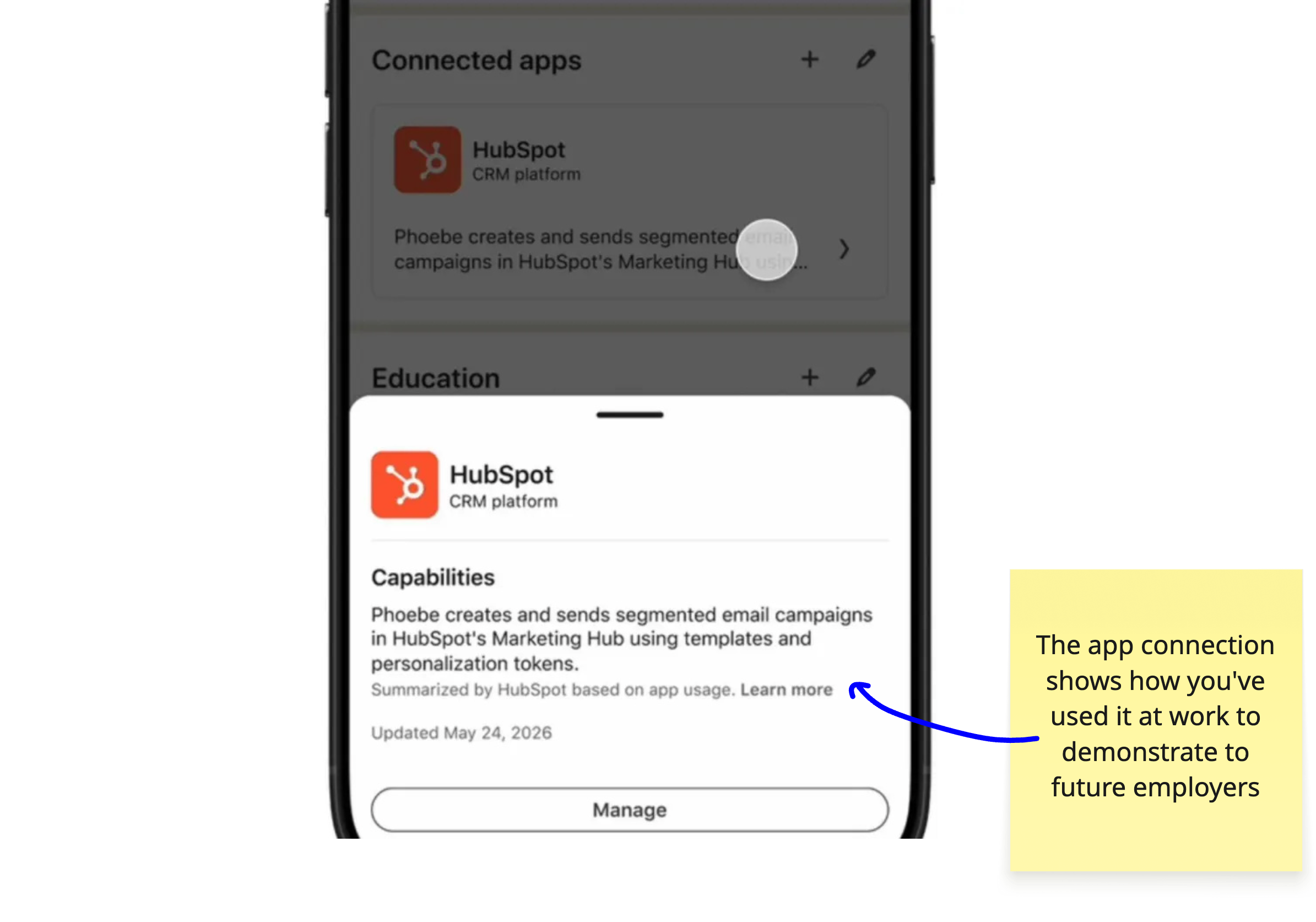
LinkedIn is launching “connected apps,” a feature that automatically generates verified descriptions of how you actually use supported software tools and displays them on your profile
LinkedIn is also plannng the roll out a bunch of new ways for creators to make money: a brand‑deal marketplace, paid “experiences” (like 1:1 advice), subscriptions for newsletters, podcasts, and gated communities. It’s also looking into a creator fund and scaling up paid, ticketed events with top creators (moving closer to YouTube/Instagram’s playbook)
Alibaba Cloud expanded in Europe and said new agentic AI services are coming for regional customers later this year
Coinbase’s memo signals a major strategic shift: beyond crypto, toward a full-service financial platform
📚 Good reads
The mom-and-pop SaaS era has arrived. Elena Verna explains how AI is crushing the cost and complexity of building software, so thousands of niche problems that never justified a dev team (or a VC pitch) are finally getting real products (somehow I ended up building a baby tracker). Non-technical, deeply experienced operators (teachers, recruiters, local retailers, coaches, etc.) are becoming builders, packaging 10+ years of domain knowledge into small, profitable tools instead of chasing unicorn-scale TAM
What you’re really selling to customers. Shreyas Doshi argues that great companies win by deeply understanding the essence of what they sell (e.g. Apple selling taste) vs just products / features. He shows how this “one true thing” simplifies decisions, branding, and strategy
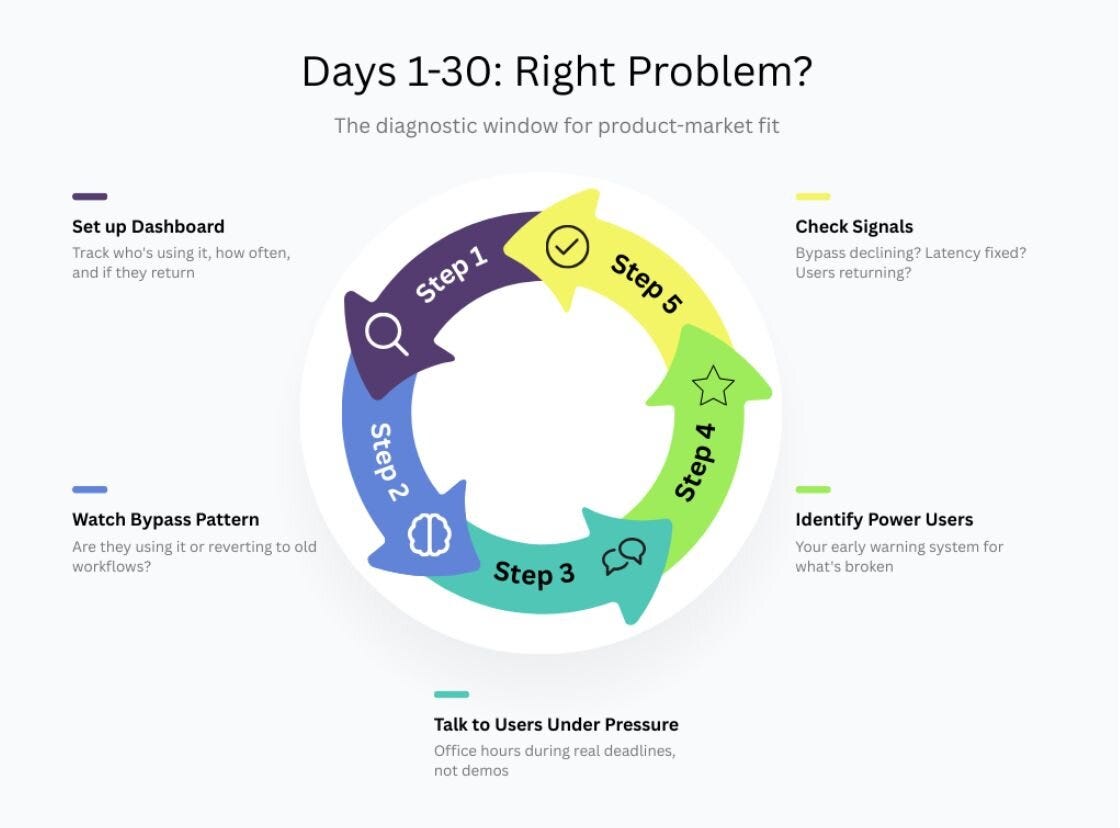
The first 90 days of an AI product. The piece argues that the first 3 months after launch are a diagnostic sprint for AI features. It walks through a 30/60/90‑day playbook: watch bypass and adoption patterns, classify failures (missing data vs retrieval vs intent), and separate content issues from latency or formatting
Microsoft’s AI-forward design system. Microsoft is evolving Copilot into a cross‑app “thinking layer” that understands your context, follows you between Word, Excel, and more, and adapts to where you are in the explore‑vs‑focus cycle. A single Copilot (via the Dynamic Action Button, Chat, On‑Canvas UI, or Suggested User Actions) keeps conversations continuous, and underneath, patterns like “Throw & Catch” orchestrate handoffs between entry points
Block explains how they build faster with Builderbot, a Slack-native orchestration layer that coordinates multiple AI agents across all of Block’s codebases. Unlike typical repo-level coding assistants, it understands every service, API, and convention, then picks up tickets, creates branches, writes code, opens PRs, and iterates through CI. It’s powered by their open source agent framework goose and MCP, and already accounts for roughly 15% of Block’s weekly production code changes
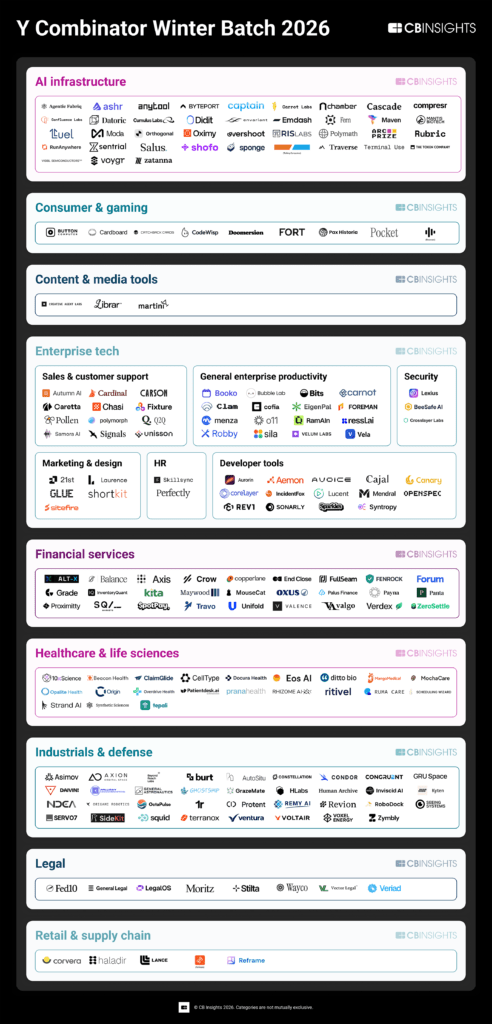
Analysis of Y Combinator’s latest batch. CB Insights shares how YC’s latest cohort leans heavily in physical AI (robots, drones, wearables, and space hardware), plus the simulation and data infrastructure needed to train them. The batch also shows agent tooling getting more granular, with specialized infra (routing, safety, continuous learning) replacing “do-it-all” platforms. YC is always a good indicator of “what’s next” (at least from VC perspective)
🎧 Good listen/watch
[Podcast] Anthropic’s Fiona Fung explains how her Claude Code and Cowork teams now ship about 8x more code. She describes an AI-native org where roles blur (PMs, designers, and engineers all ship code). Her biggest focus is culture: giving teams permission to kill bad processes, automate everything Claude can do, and learn together in new rituals like pairwise programming lunches
[Podcast] The model eats the harness. Logan Kilpatrick, who leads Google AI Studio and the Gemini API, explains how Google’s new Antigravity agent harness is becoming the shared “agentic layer” across Gemini, Search, Android and Cloud, predicting that today’s startup obsession with external harnesses has maybe a 12‑month edge before models simply absorb that logic
🧑💻 Worth learning
How to use Agent Skills. An in-depth new guide from Google’s AI teams with practical examples. Agent Skills turn any general-purpose AI agent into a specialist on demand. Learn how to build, evaluate, and deploy skills in production
🔧 Products to try
ChatGPT scheduled tasks now has a dedicated management page and faster recurring briefings from your interests, chats, and connected apps; included in eligible ChatGPT plans
Grok in PowerPoint turns prompts or outlines into slide decks, diagrams, images, and data-connected presentations inside Microsoft 365. Free add-in; Microsoft 365 required
That’s a wrap for this week.
Feel free to drop your comments/questions/feedback. Would love to hear what you’d like to see more about in WiP, so I can make it better for you.
Have a great start to your week!