

Hi friends 👋
Welcome to a new Week in Product!
🎰 The week in figures
$15B: DoorDash is in exclusive talks to buy grocery delivery platform Instacart, valued at ~$12B but likely fetching ~$15B. Uber's interest cooled
$6.3B: Binance was the victim of a series of exploits in which hackers made off with over $6.3B in crypto assets
$5B: Cohere, the Canadian enterprise AI provider, announced a Series E targeting up to CA$7B (about $5B), at CA$35.7B ($25.5B) valuation
$1B: Kalshi Raised $1B at $40B as its non-sports revenue run rate topped $1B
$302.5M: Wealthsimple, the Canadian investing and banking platform, secured up to CA$425M ($302.5M) in equity funding at CA$13.8B ($9.9B ) valuation
$130M: Dulo raised $130M at around $1B valuationto build AI for hardware design
27%: Microsoft offered voluntary exits to about 60,000 eligible workers, roughly 27% of staff (!!)
13%: Glean’s Work AI Index shows 75% of workers report productivity gains, but only 13% see significant value for their organisation
💰 Q3 earnings
Microsoft: Microsoft had the strongest week of the group. Revenue rose 19% to $92.3B and adjusted EPS was $4.89, both above estimates. Azure grew 48% to $33.2B and is now Microsoft’s largest single business, and next quarter’s guidance of $96–97.1B is above the Street
Alphabet: Google Cloud more than doubled to $30.7B, but Alphabet missed on revenue ($127.6B) and EPS ($2.67) for the first time in nearly four years. Q3 capex of $51B pushed free cash flow to –$9B, capex is expected to top $300B in 2027, and the stock fell more than 10%
Amazon: AWS grew 39% to $46B, its fastest growth in nearly five years, yet EPS ($1.89) and revenue ($201.9B) both missed. With $77B in quarterly capex, the midpoint of holiday guidance ($240–247B) is below expectations
Intel: Data-center and AI revenue grew at the fastest pace in 15 years. But weak PC demand dragged Q4 guidance well below expectations, and shares fell about 25% premarket
Reddit: Revenue grew 53% to $895M and EPS was $1.40, both beating estimates. Daily users missed at 130.3M, the U.S. count fell 2% as fewer people arrived from search, and Q4 guidance of $1.00–1.03B came in below expectations
ServiceNow: Revenue of $4.11B (+20.5%) was in line, but adjusted EPS of $1.00 missed. ServiceNow raised its 2026 AI contract target to $1.7B, yet a soft backlog outlook sent the stock down 27%, its worst day ever
Roblox: Bookings fell 12% to $1.70B but still beat estimates. Daily users came in at 138M, below the ~145.8M expected, and Roblox guided Q4 bookings down 10–15%, sending the stock down ~17%. More than 80% of the top 100 games now use AI in how they’re made
Pinterest: Users hit a record 661M (+10%), but revenue of $1.17B and EPS of $0.46 both missed. Ad prices fell 4%, and Q4 guidance came in below expectations as cross-border sellers pulled back in Europe
PayPal: Revenue grew 2% to $8.6B and adjusted EPS rose 8% to $1.45, with active accounts flat at 440M. PayPal raised its full-year EPS guidance, saying the turnaround is “beginning to translate into results”
DoorDash: Revenue grew 34% to $4.6B and EPS of $1.06 beat the $0.81 estimate, while orders rose 28% to 993M
eBay: Revenue of $3.2B (+14%) and adjusted EPS of $1.51 both beat estimates. Merchandise sold on eBay rose 15% to $23.2B, helped by eBay Live and Depop, and eBay raised its full-year EPS guidance
Coinbase: Revenue of $1.20B fell short of estimates as calm crypto markets slowed trading. EPS of $2.51 came mostly from gains on Coinbase’s own bitcoin holdings
Robinhood: Revenue grew 12% to $1.42B, in line with estimates. Prediction-market revenue rose more than 500% while crypto revenue fell 55%, and the stock was down about 8% the next morning
Twilio: Revenue grew 20% to $1.56B and adjusted EPS of $1.65 beat estimates. Twilio guided Q4 above consensus and raised its full-year growth outlook, though shares still slipped after the report
The big picture: Every hyperscaler is pouring money into AI, and Microsoft was the only one that stayed free-cash-flow positive this quarter (while offering 27% of its staff to leave the company)
📰 What’s going on
Google announced Gemini 4 Carbon, ranking first on the Artificial Analysis Intelligence Index at 59. It will launch at $2 per M input tokens and $10 output, and this week it’s going to a subset of cyber defenders, while Google works on guardrails
Google expands AI Search ads globally as core advertising growth decelerates from 19% to 12% year-over-year, betting Gemini-powered conversational ads can offset slowing traditional search revenue
Google has opened its Connected Apps Platform to US developers in public preview, so apps can plug into Gemini and Search
Gemini can now generate, preview, and edit files inside the chat. Once you’re done editing, you can export as a PDF or Google Doc
Chrome adds Enhanced autofill, powered by Gemini, which now pulls things like order numbers, tracking info, and flight bookings from Gmail
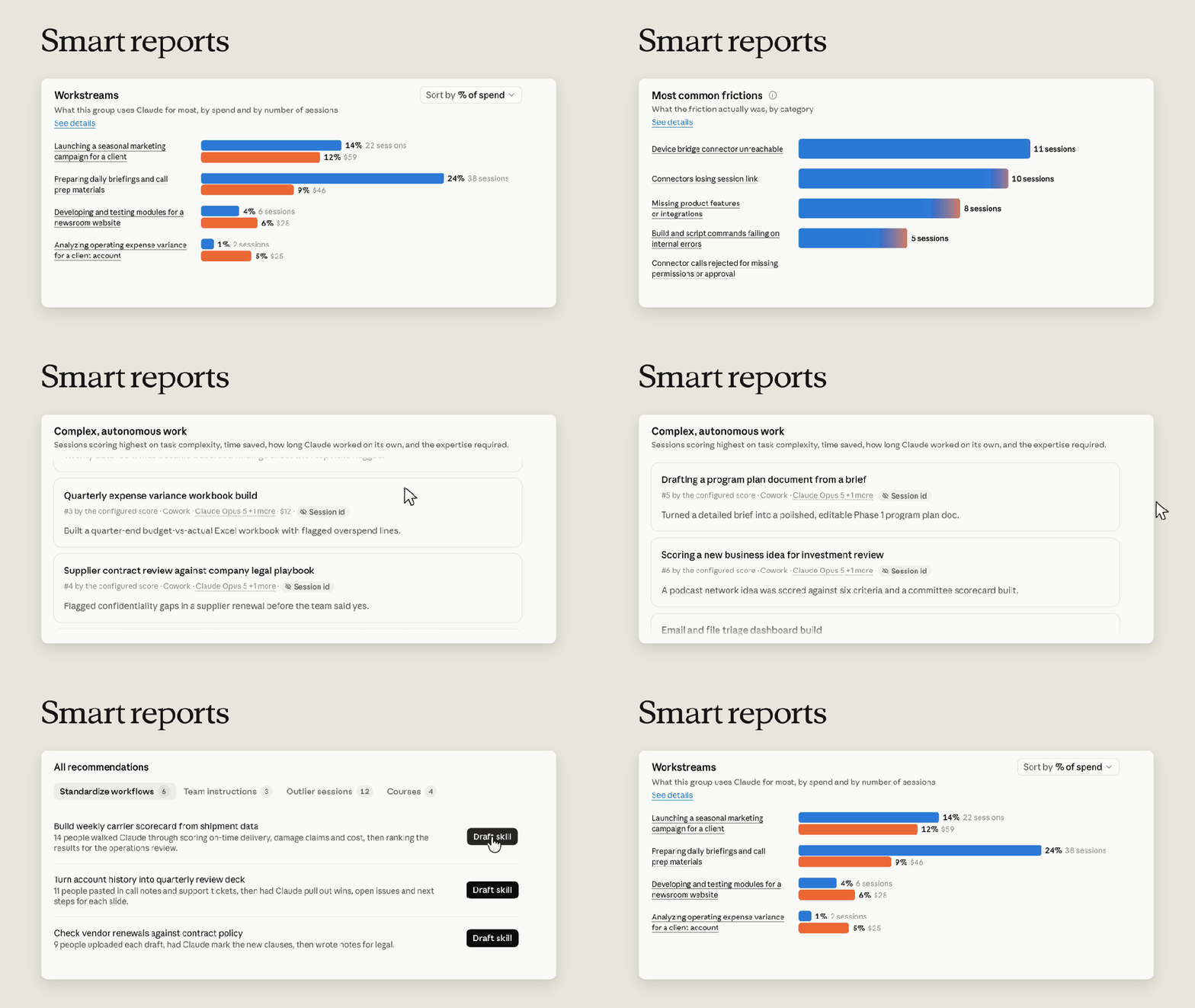
Anthropic launched reporting tools which allow managers to see what a team produced, what it cost and where workflows broke down. This could be handy if you’re looking to demonstrate ROI on your AI spend (or not)
Anthropic filed to go public as ANT, reporting $16.29B in first-half revenue and an $80.75B net loss, including a one-time $72.4B accounting charge
OpenAI launched GPT-6.1 Terra. The faster model handles visual reasoning and computer control at half the cost, with hallucinations dropping from 53.6% to 16.7%
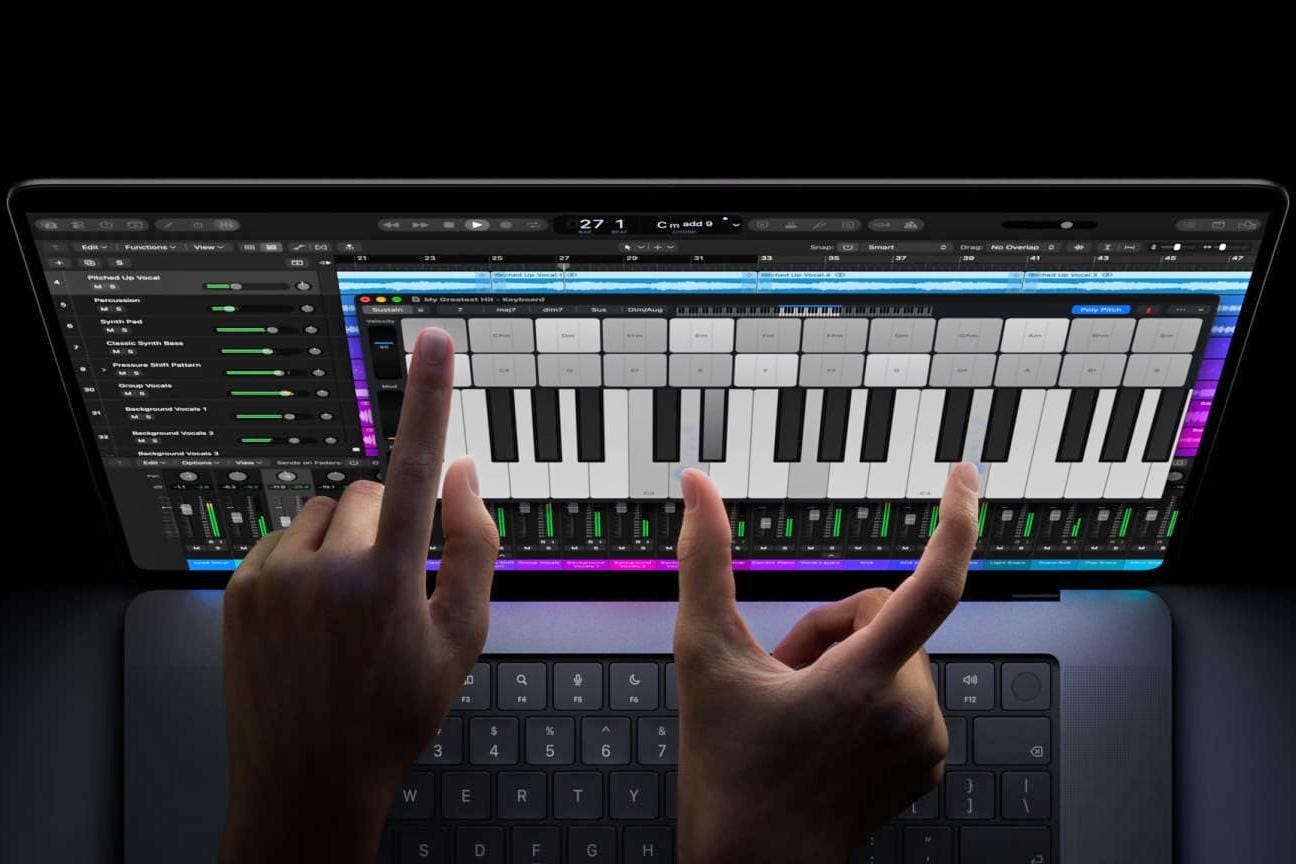
The first touchscreen MacBook Pro was announced. It has a tandem OLED display, 120Hz refresh, 2,000 nits, and Dynamic Island, from $2,899
XREAL AURA Glasses, the first wired XR glasses on Android XR, project apps into your view with Gemini help and a portable compute puck. Orders open in the US, Canada, and Korea
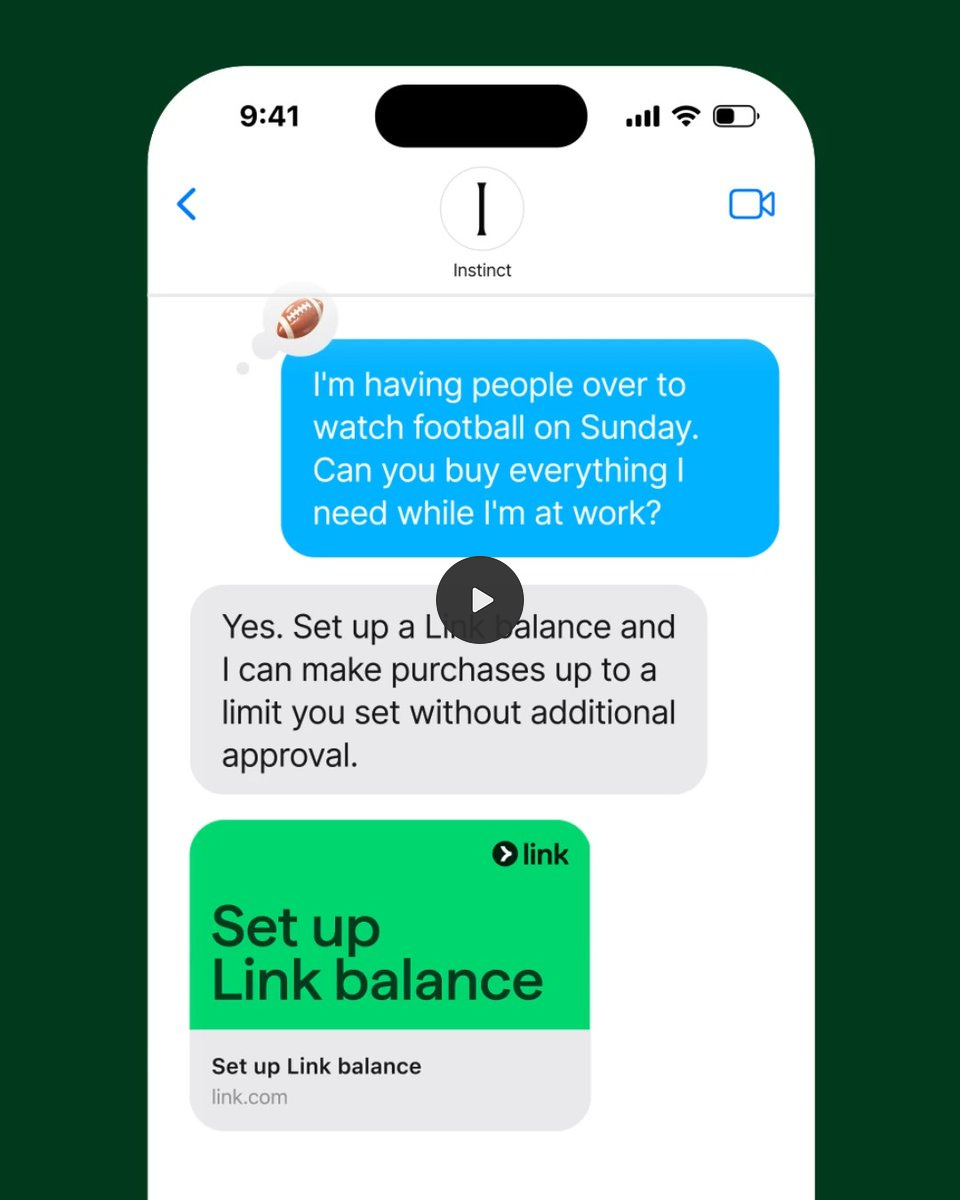
Stripe’s Link balance lets an agent spend on your behalf within a limit you set. You choose how much to add and the agent handles purchases such as concert tickets or a whole shopping list

Shopify unveiled 150+ updates built around agentic commerce. A new shop.md skill lets any AI agent shop and check out with Shop Pay, and Shop Pay now works inside Meta’s Muse, Claude Duet and Instinct. The e-commerce platform also highlighted merchant-side upgrades: Shopify Protect for fraud and chargebacks, 7 new local payment methods, Shop Promise badges, an AI-editable Canvas for store design, and a smarter Sidekick
Mistral just released the downloadable weights for Mistral Large 4, a 1-trillion-parameter model nicknamed Le Chonk, on Hugging Face and through its API, three weeks after an October 6 preview. Weights are the numbers a model learned in training, basically its brain. With them, a company can run the model on its own servers and keep its data in-house instead of sending it to someone else’s API
Granola launched a new dictation feature across all apps on Mac. Users can press the function key and it cleans up the text and lets you use it as an input
Figma’s agent can now connect to Google Drive on all plans. It can pull from Docs, Sheets and Slides, so you could e.g. summarize user research notes or bring a PRD directly into a design session
Cursor’s design mode now has Annotate, which lets you give agents visual prompts. You can edit elements, draw on the page and review designs at different screen sizes, When you’re finished, you can send it all to the agent
Notion’s AI Meeting Notes Chrome extension now labels every speaker in a Google Meet call. Previously it labelled it as “you and everyone else” so this could come in handy for things like user research sessions where it’s not always clear who is speaking
Reddit said it will test logged-in browsing in select non-U.S. markets as search referrals fell by 1M+ per week
🤖 Futurism
Warhound, a startup that aims to genetically engineer dogs for military and police use (!!), raised $200M at a $1.2B valuation.
NeuroDoctrine, a Manchester, UK defense startup, flew 3 drones using only a brain-reading headband
📚 Good reads
What women actually want from AI. If you only have time to read 1 thing this week, make it this one. Elena Verna raises an important topic we all should be reflecting on. NYT just featured Marissa Mayer framing AI for women around outfits, parties, and “AI wives.” That shrinks their perceived ambition and impact. Instead, we should be talking about how AI is tearing down structural barriers to founding and leading for women, and we should push for more of that. AI is already helping women build serious products, and media should spotlight those builders, not stereotypes
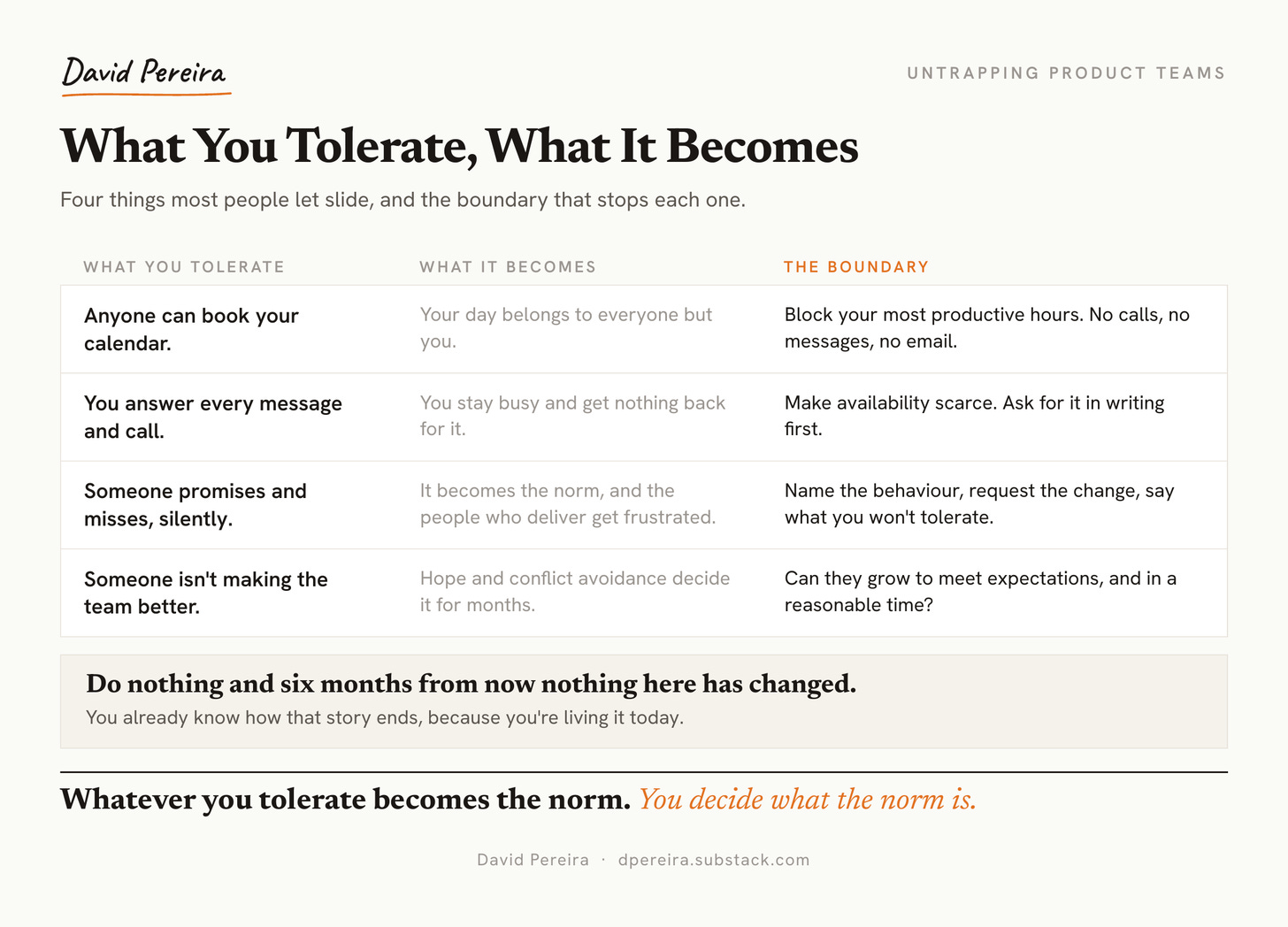
What are you tolerating in your work as a PM?. David Pereira argues that whatever you put up with (chaotic calendars, underperforming teammates,…) becomes the norm. He shares how reclaiming his time and confronting bad behaviour, even when uncomfortable, transformed his teams’ focus and performance
New founder archetypes in the AI era. AI is blowing up the old ideal founder mold, beyond technical cofounder duos and Stanford CS types. Andrew Chen argues that AI enables solo, non-technical, domain-expert, and creators to build solid products
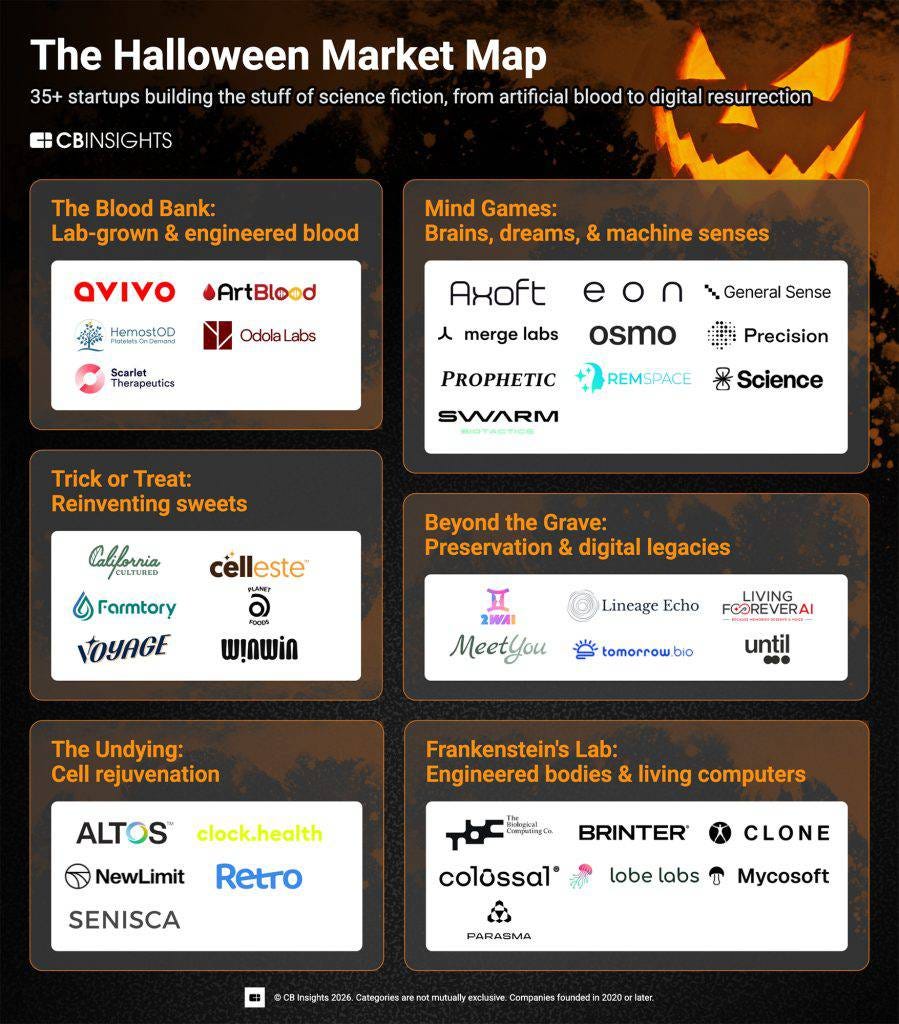
Halloween startups. CB Insights rounds up 39 eerie, futuristic companies, from brain‑cell computers and lucid‑dream headbands to cryonics and cocoa‑free chocolate. A fun snapshot of how sci‑fi ideas are turining into products. And a reminder that many bold bets still end up in the startup graveyard
🎧 Good listen/watch
[Video Podcast] Gemini 4 is reshaping how Google builds products. Jaclyn Konzelmann, Product Director at Google Labs, explains how Gemini 4 is favoring tighter strategy, quick prototypes, and co-creation with users. She talks through how Labs chooses what to build, treats killed experiments as valuable learnings, and thinks about durable products in an agent-first world where code and UI are increasingly commoditized
[Podcast] How a 19-year-old intern built Wispr Flow’s growth engine. Hector Serrano, now head of content at Wispr Flow, shares a UGC masterclass. He now runs 50 creators producing 500–600 performance ads a month for the AI voice-to-text tool, and walks through how he recruits and incentivizes creators (paying them a cut of ad spend). Along the way, he shares what he looks for in modern marketers and why the best ones are, in his words, “allergic to AI”
🧑💻 Worth learning
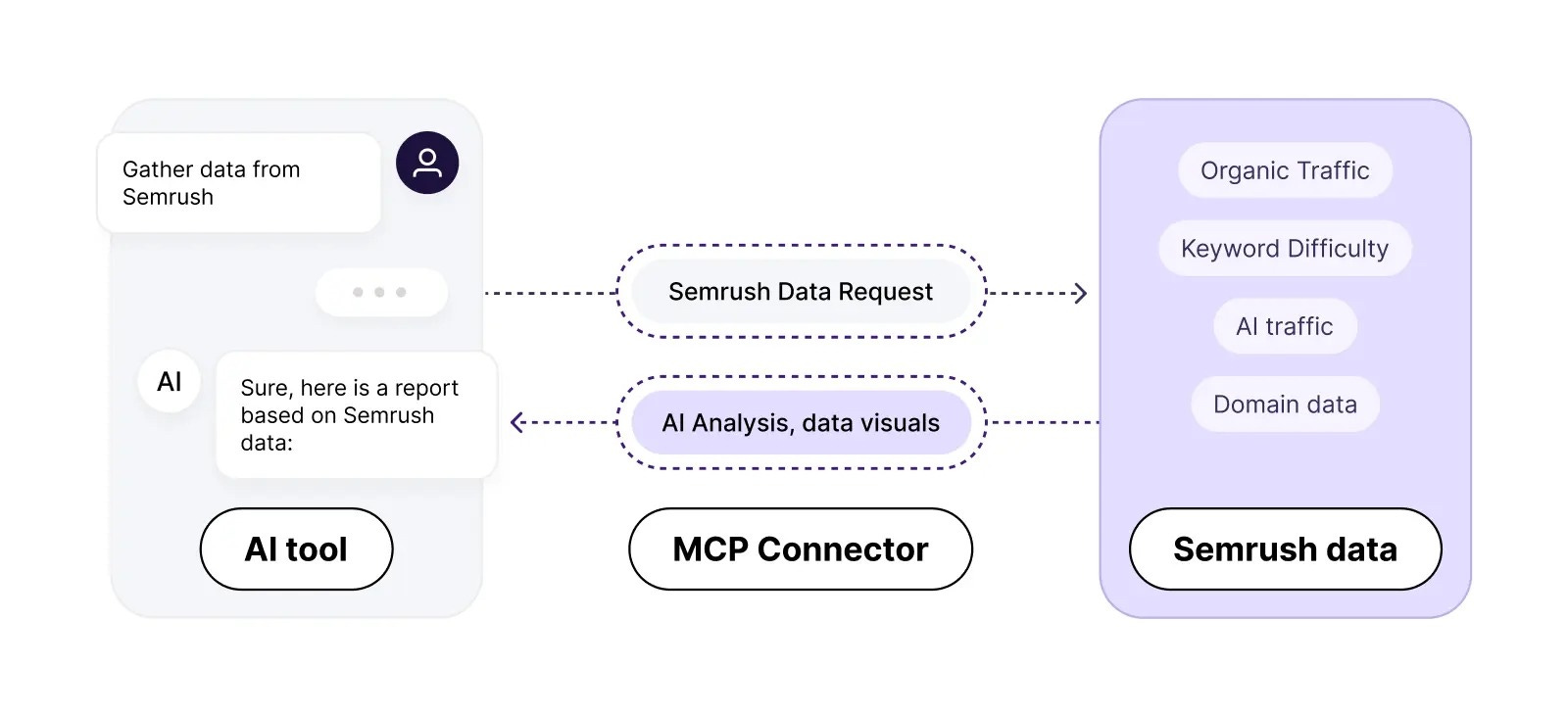
Make your website discoverable by AI with Claude. Semrush just published a walkthrough that connects its website auditing tool directly to Claude. Semrush scans your site for broken links, indexing problems, and technical issues. Claude then analyzes that evidence and helps prioritize repairs. Here’s the workflow:
Build reasoning models from scratch in Python and PyTorch. Sebastian Raschka introduces a free 11‑hour course to build a reasoning model on top of Qwen3 using evaluation, inference-time scaling, RL with verifiable rewards, and distillation. Alongside the videos, there’s a companion book and shorter LinkedIn course, making it a hands-on path for PMs who want to dig into how advanced LLMs are actually built (and who have 11+ free hours). Jump direct to the videos here
🔧 Products to try
Claude Unslop: this is a free skill that audits an AI-looking design, proposes a direction, then fixes it pass by pass. It’s gained over 4,000 GitHub stars in just a few days; free
ChatGPT's iCloud connections now let you connect Apple Mail and Calendar so ChatGPT can help with your email and scheduling
TheySaid 4.0 tests your product with synthetic customers trained on user research, then suggests fixes inside your dev workflow; 5 AI users/mo free
That’s all for this week.
Feel free to drop your comments/questions/feedback. Would love to hear what you’d like to see more about in WiP, so I can make it better for you.
Have a great start to your week!
