

Hi friends 👋
You’ll notice something different this week—we have a new brand!
This is something I’ve had in mind for a while, and I finally decided to pull the trigger. While el producto resonated with my Spanish identity, it also created some unnecessary boundaries. My objective since day one has been to create content for every product builder out there, but I noticed that when I presented it, many folks assumed it was just Spanish content. So here we are with a new name that hopefully opens doors rather than creates questions. Over the next few weeks, I’ll be experimenting with the brand identity, tweaking things here and there, and trying out new types of content.
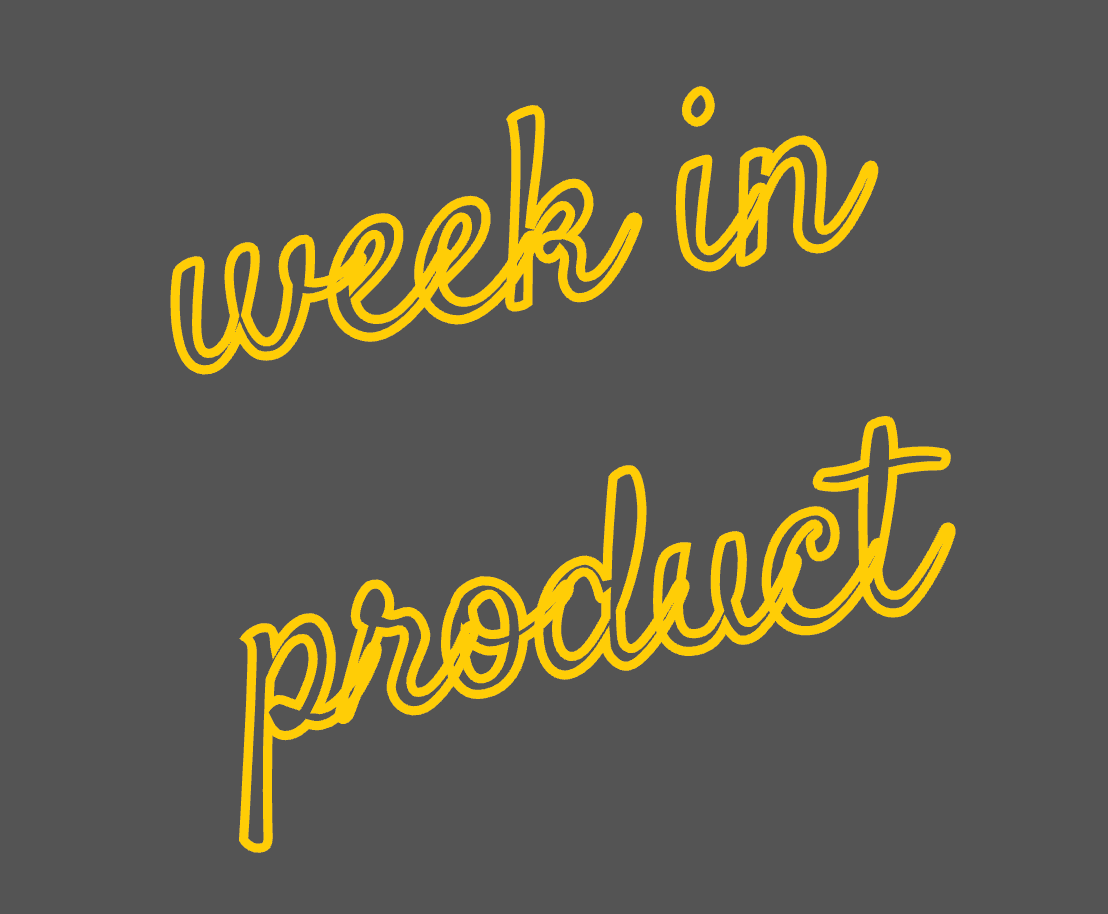
And so, welcome to WIP - week in product. This new identity reflects what we do here (showing you what’s going on in Product), while recognizing products, our careers, or this newsletter, are never truly “done.” We are always WIP.

Now, to the important things this week:
🎰 The week in figures
$30B: Anysphere, maker of Cursor, is considering investment offers at a $30B valuation with $500M ARR as of June
$2B: Reflection raised $2B at an $8B valuation to build open-source frontier AI models to be an American alternative to Chinese labs like DeepSeek
800M: ChatGPT hit 800M weekly active users
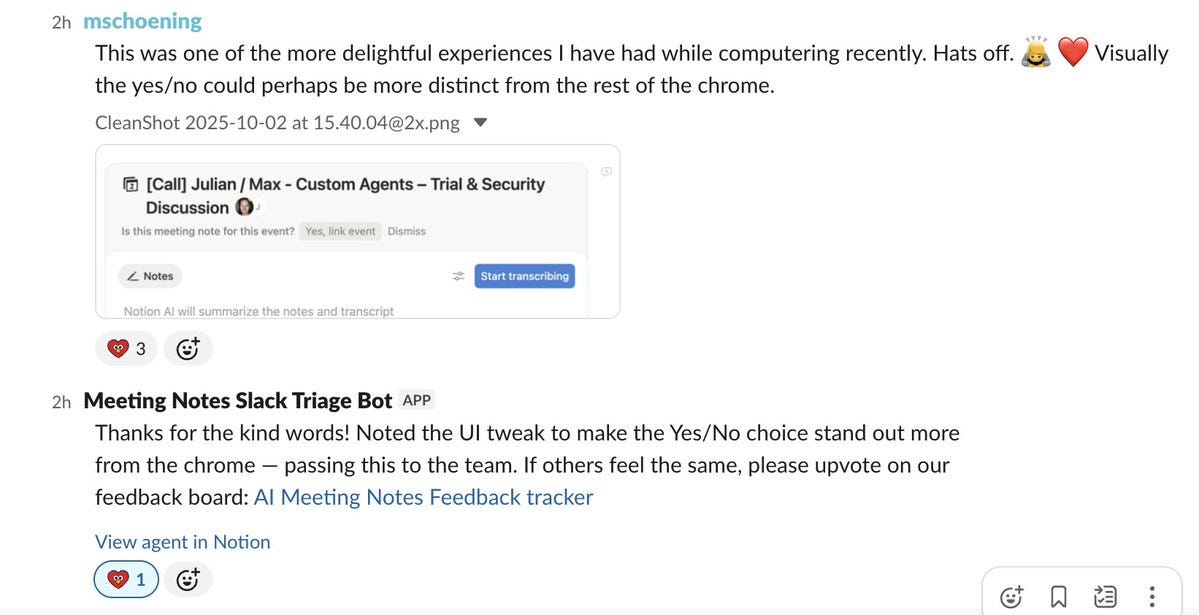
300: Notion has over 300 different custom-built AI agents that work alongside its employees. One of them tracks internal feedback about product updates, which automatically logs and triages
2: Meta is rolling out new vibe coding tools aimed at reducing deployment times from 99 minutes to two minutes or less, according to leaked docs
80%: Zendesk launched an autonomous AI agent that it claims can resolve 80% of customer support issues without human intervention
📰 What’s going on
OpenAI launched Agent Kit and ChatGPT Apps. Agent Kit provides a drag & drop interface to build agentic workflows that can then be published on the front end. Apps lets ChatGPT connect with products, including Figma and Spotify, which could transform how users interact with everyday products. Nick Babick wrote a great piece explaining what OpenAI agent builder can / can’t do
Google has unveiled a new Computer Use model that is capable of interacting with user interfaces and beats other similar models with a score of 69% vs 55% for Claude Sonet 4.5. Gemini 2.5 Computer Use can perform actions in the browser, like automatically updating CRM data and even organizing digital sticky notes after a meeting

Google has officially launched Gemini Enterprise, an AI-powered workplace platform that lets employees interact with company data, documents, and tools through conversational AI built on Google’s advanced Gemini models. It’s priced at $30/seat/mth
Figma partnered with Google Cloud to embed Gemini AI directly into design workflows
Amazon launched enterprise AI agent platform Quick Suite, priced at $20-40/user/month, to compete with Antropic and OpenAI enterprise products
Cursor has introduced a new mode called “plan mode”. It allows the AI agent to gather all of the context it needs by searching external files and other assets before coming up with a detailed plan of action. In plan mode, the AI agent interacts with the user to ask questions about the feature that’s been requested before proceeding to the next step. See it in action here
ElevenLabs has unveiled a series of new UI components to add audio-based AI agents into products. The components include multimodal customer service chat tools, audio visualizers and more. The company also revealed its own drag-and-drop AI agent builder
Square also announced new voice AI capabilities, allowing sellers to take orders using AI voices. Prospective customers can call up to speak directly to these agents and ask deep, specific questions about products
📚 Good reads
Let AI audit your product onboarding flows. Kate Syuma shares a practical, 6-step framework to stress-test onboarding—covering value clarity, UX friction, retention drivers, efficiency, conversion leaks, and sustainable loops. There’s a ready-to-use prompt for ChatGPT’s agent mode
The State of AI 2025 report is out, breaking down everything from NVIDIA’s circular revenue deals to why the top AI models are now strategically faking their safety alignment
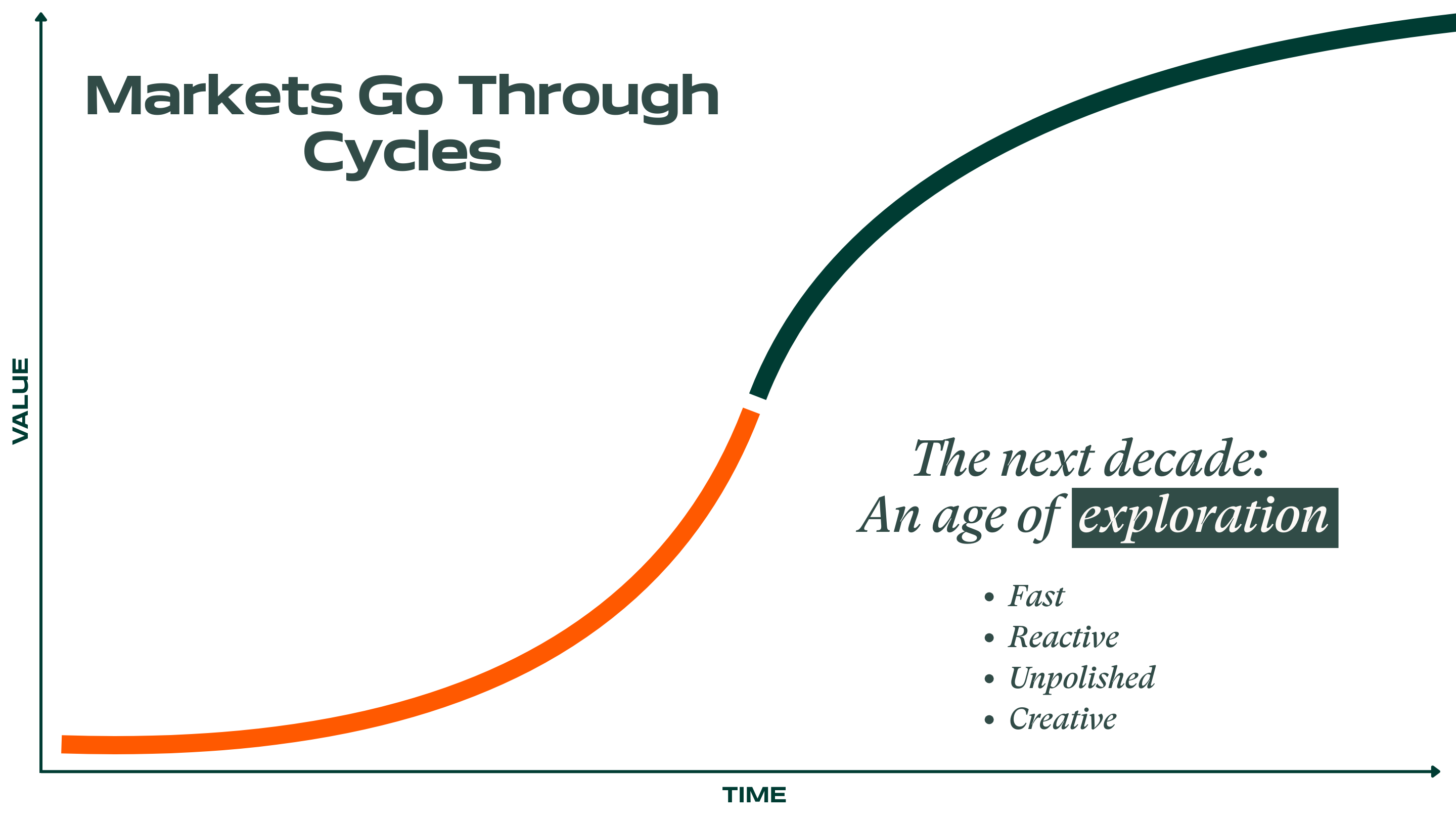
The S-curve ahead of us. Jasmine Bine explains that we’re moving from optimization to exploration as AI resets the market s‑curve. Old “best practices” won’t help; experimentation is how you learn and gain advantage. Operationalize fast, messy tests—treat failure as new data and build momentum
AI product management: the $500K opportunity AI PMs blend classic PM chops with evals, prototyping, and strategy to build AI-native products—and they’re earning up to 40% more at top firms. 1/5 PM openings are now AI-focused, with faster paths to $500K+ by solving core, company-defining problems. Aakash Gupta shares good advice on how to direct your career towards AI Product Management
Start with a prompt: inside how warp’s CEO follows his own AI coding mandate. Zach Lloyd pushes an internal shift to agentic development: every task starts with a prompt, successes are shared, and there’s a 10‑minute escape hatch. Senior engineers are urged to “own the code” and avoid outcome-only prompting, babysitting agents for quality
Will OpenAI be the Windows of AI? Stratechery analyzes OpenAI’s recent blitz: apps inside ChatGPT, Sora 2, Instant Checkout, and massive chip/power deals. This signals a bid to own the AI “OS” layer. By aggregating users first, OpenAI shifts leverage to itself, pushing third-party developers to integrate into ChatGPT, while second‑sourcing compute with AMD to reduce dependence on Nvidia
Data as a product at Netflix. Netflix argues for treating data like a real Product — with clear purpose, defined users, and measurable health (and I couldn’t agree more). They emphasize strong ownership, UX-minded design and documentation, plus lifecycle management to prevent data debt and keep assets relevant
[podcast] How to find hidden growth opportunities in your product. Albert Cheng shares pragmatic growth playbooks from Duolingo, Grammarly, and Chess.com, like rapid experiments, psychology-driven nudges, and spreading wins across the product. Examples include reverse trials, focusing on resurrected users, and screenshot-led viral moments. Build the experimentation system first; speed, agency, and instrumentation beat one-off hacks
[video] The 7 most powerful moats for AI startups. YC’s Lightcone breaks down Helmer’s seven powers for AI-era defensibility, with an added emphasis on speed as the early moat
That’s a wrap for this week! 🌟
I’d love to hear your thoughts on WIP. Reply to the email or drop a comment on Substack to share your take, and if you found this valuable, forward it to a fellow PM, Product enthusiast, startup founder or entrepreneur who’d enjoy the read
More next week! 👋
Angel from WIP
loved the new branding 💛